Navigating 2026 Tax Law Changes: A Local Business Guide to 15% Savings on Compliance Costs
The year 2026 might seem distant, but for local businesses, it marks a crucial juncture in the ever-evolving landscape of tax legislation. Understanding and preparing for the upcoming 2026 Tax Law Changes is not merely a bureaucratic exercise; it’s a strategic imperative that can significantly impact your bottom line. Proactive planning can lead to substantial savings, potentially reducing your compliance costs by up to 15% and positioning your business for sustained growth and financial resilience.
Local businesses, often operating with tighter margins and fewer dedicated resources than their larger counterparts, are particularly susceptible to the ripple effects of tax reform. The complexity of new regulations, coupled with the need for accurate reporting and strategic financial adjustments, can be daunting. This comprehensive guide aims to demystify the impending 2026 Tax Law Changes, offering actionable insights, practical strategies, and expert advice to help you not only navigate these shifts but also turn them into opportunities for efficiency and savings.
From understanding the potential modifications to corporate tax rates and deductions to exploring new credits and compliance requirements, we will delve into the critical aspects of the 2026 Tax Law Changes. Our goal is to equip you with the knowledge and tools necessary to adapt your financial strategies, optimize your operations, and ensure that your local business remains competitive and profitable in the years to come. Let’s embark on this journey to transform potential challenges into tangible financial advantages.
The Landscape of 2026 Tax Law Changes: What to Expect
The anticipation surrounding the 2026 Tax Law Changes stems primarily from the sunsetting provisions of the Tax Cuts and Jobs Act (TCJA) of 2017. Many of the individual income tax provisions and some business-related deductions are set to expire at the end of 2025, paving the way for significant modifications in 2026. While the exact contours of these changes are still subject to legislative debate and political negotiation, several key areas are widely expected to be affected, directly impacting local businesses.
Individual Income Tax Provisions and Their Business Impact
One of the most significant aspects of the TCJA was its overhaul of individual income tax rates and brackets. While these directly affect individuals, they have a profound indirect impact on pass-through entities such as sole proprietorships, partnerships, and S corporations, which are common structures for local businesses. The qualified business income (QBI) deduction, or Section 199A deduction, which allows eligible pass-through entities to deduct up to 20% of their qualified business income, is also set to expire. The future of this deduction, and the potential return to higher individual tax rates, could significantly alter the tax burden for many small business owners.
Corporate Tax Rates: A Potential Shift
The TCJA dramatically reduced the corporate tax rate from a graduated scale with a top rate of 35% to a flat 21%. While this change was made permanent for C corporations, the broader political climate and ongoing discussions about fiscal policy could introduce new proposals. Any adjustments to the corporate tax rate, even if seemingly minor, could have substantial implications for local businesses structured as C corporations, affecting their profitability and investment decisions. Staying informed about these potential shifts is a critical component of preparing for the 2026 Tax Law Changes.
Deductions, Credits, and Depreciation Rules
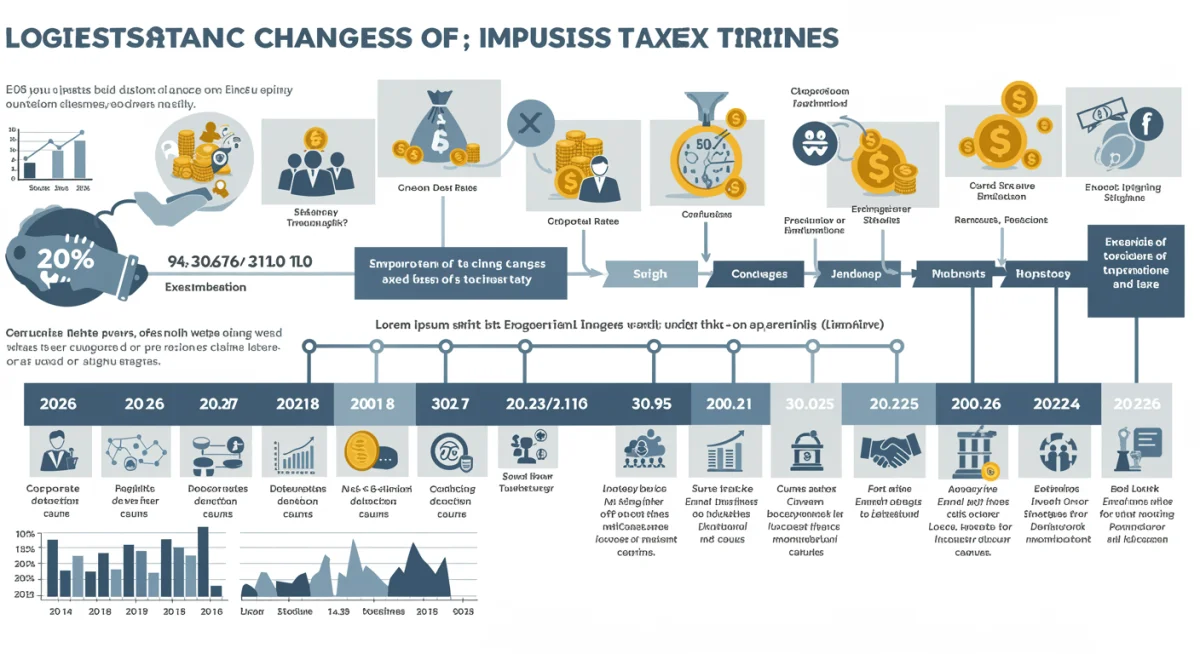
Beyond headline tax rates, the 2026 Tax Law Changes are also expected to bring modifications to various deductions, credits, and depreciation rules that directly benefit businesses. For instance, the immediate expensing of certain capital expenditures (known as 100% bonus depreciation) is scheduled to phase out, starting with 80% in 2023, 60% in 2024, 40% in 2025, and 20% in 2026, before being fully eliminated in 2027. This gradual reduction means that businesses planning significant capital investments in the coming years need to factor these changes into their financial projections. Other areas to watch include:
- State and Local Tax (SALT) Deduction Cap: The $10,000 cap on SALT deductions, primarily impacting individual taxpayers, can indirectly affect business owners who pay significant state and local taxes. While this is an individual provision, its expiration or modification could influence where businesses choose to operate and how they compensate owners.
- Research and Development (R&D) Expensing: Under current law, businesses are required to amortize R&D expenses over five years (or 15 years for foreign R&D). Prior to 2022, these expenses could be immediately deducted. The return to immediate expensing or further modifications to R&D tax credits could be a significant boon for innovative local businesses.
- Business Interest Expense Limitation: Section 163(j) limits the deduction for business interest expense to 30% of adjusted taxable income (ATI). For tax years beginning in 2022, ATI changed to exclude depreciation, amortization, and depletion, making the limitation more restrictive for many businesses. Future legislation might reconsider these limitations.
The Role of Economic and Political Factors
It’s crucial to remember that the specific nature of the 2026 Tax Law Changes will be heavily influenced by the prevailing economic conditions and the political landscape. Election outcomes, congressional priorities, and the overall health of the economy will all play a role in shaping the final legislation. This inherent uncertainty underscores the importance of flexible financial planning and staying abreast of legislative developments as they unfold. Local businesses should not wait until the last minute but begin scenario planning now.
Strategic Planning for Local Businesses: Maximizing Savings
The key to navigating the 2026 Tax Law Changes successfully lies in proactive and strategic planning. By anticipating potential shifts and implementing forward-thinking financial strategies, local businesses can not only mitigate adverse impacts but also uncover opportunities for significant savings. Our goal is to help you achieve up to 15% savings on compliance costs, a figure that can make a substantial difference for small and medium-sized enterprises.
Early Assessment and Impact Analysis
The first step in effective planning is to conduct a thorough assessment of how the potential 2026 Tax Law Changes could impact your specific business. This involves:
- Reviewing Your Business Structure: Is your business structured as a sole proprietorship, partnership, S corporation, or C corporation? The implications of changes to individual tax rates and the QBI deduction will vary significantly based on your entity type. Consider whether a change in business structure might be beneficial in the long run.
- Analyzing Your Income and Expense Streams: Understand how changes to deductions (e.g., bonus depreciation, R&D expensing) and credits might affect your taxable income. Identify areas where your business currently benefits from expiring provisions and project the financial impact of their absence or modification.
- Forecasting Future Investments: If your business plans significant capital expenditures, equipment purchases, or technological upgrades, the phasing out of bonus depreciation needs to be factored into your budgeting. Accelerating investments where possible might lead to greater tax benefits under current rules.
Optimizing Deductions and Credits
Even with potential changes, optimizing your deductions and credits will remain a cornerstone of effective tax planning. As you prepare for the 2026 Tax Law Changes, focus on:
- Maximizing Current Deductions: Ensure you are fully utilizing all available deductions and credits under current law. This includes everything from home office deductions and vehicle expenses to industry-specific credits.
- Understanding State and Local Tax Implications: Beyond federal changes, be aware of any concurrent tax law changes at the state and local levels. These can compound the impact of federal reforms. Explore strategies like electing pass-through entity (PTE) taxes in states where available, which can circumvent the federal SALT cap for individual owners.
- Exploring New or Expanded Credits: While some provisions may sunset, new tax credits or expansions of existing ones might emerge as part of the 2026 Tax Law Changes. Stay informed about legislative proposals that could offer new avenues for tax savings, such as credits for energy efficiency, employee training, or specific industry investments.
Cash Flow Management and Financial Forecasting
Robust cash flow management and accurate financial forecasting are more critical than ever in an environment of impending tax changes. As the 2026 Tax Law Changes approach, businesses should:
- Create Multiple Scenarios: Develop financial forecasts based on different potential tax reform scenarios (e.g., full sunset of TCJA provisions, partial extensions, new legislation). This allows you to understand potential impacts on your cash flow and profitability.
- Build a Tax Reserve: Consider setting aside funds specifically for potential increases in tax liabilities. This proactive approach ensures that your business is not caught off guard by unexpected tax burdens.
- Review Pricing Strategies: If your tax burden is expected to increase, you may need to re-evaluate your pricing strategies to maintain desired profit margins.
Engaging with Tax Professionals Early
Perhaps the most crucial aspect of strategic planning for the 2026 Tax Law Changes is engaging with qualified tax professionals. An experienced accountant or tax advisor specializing in small business taxation can provide invaluable guidance by:
- Interpreting Complex Legislation: Tax laws are notoriously complex. A professional can help you understand the nuances of proposed and enacted changes and how they apply to your unique business situation.
- Identifying Tailored Strategies: They can help you identify specific deductions, credits, and planning strategies that are most relevant and beneficial for your business structure and industry.
- Ensuring Compliance: With changes come new compliance requirements. A tax professional can ensure your business adheres to all new regulations, avoiding costly penalties.
- Proactive Adjustments: They can advise on when and how to make necessary adjustments to your accounting practices, payroll systems, and overall financial operations to align with the new tax environment.
Leveraging Technology for Enhanced Compliance and Savings
In the era of rapid legislative change, technology is an indispensable ally for local businesses navigating the 2026 Tax Law Changes. The right technological tools can automate compliance, improve accuracy, and provide critical insights, all contributing to significant cost savings and reduced administrative burden.
Automated Accounting and Bookkeeping Systems
Modern accounting software offers far more than just basic record-keeping. Integrated systems can:
- Streamline Data Entry: Reduce manual entry errors and save time through automated bank feeds and receipt scanning.
- Categorize Transactions: Intelligently categorize expenses and income, making it easier to track deductible items and prepare for tax season.
- Generate Real-time Reports: Provide instant access to financial statements, allowing for better decision-making and quicker adjustments to financial strategy in response to the 2026 Tax Law Changes.
- Integrate with Tax Software: Many platforms seamlessly integrate with tax preparation software, simplifying the filing process and reducing the likelihood of errors.
Specialized Tax Compliance Software
Beyond general accounting, specific tax compliance software can be a game-changer for local businesses. These tools are designed to keep pace with legislative changes and offer features such as:
- Automated Tax Calculations: Accurately calculate various tax obligations, including sales tax, payroll tax, and corporate income tax, in accordance with the latest regulations.
- Compliance Checklists and Reminders: Help businesses stay on track with filing deadlines and necessary documentation, minimizing the risk of penalties.
- Audit Trail and Documentation Management: Provide a clear, organized record of all financial transactions and tax-related activities, invaluable in the event of an audit.
- Scenario Planning Tools: Some advanced software can help model the impact of different tax law scenarios, aiding in strategic financial forecasting for the 2026 Tax Law Changes.

Cloud-Based Solutions and Cybersecurity
Cloud-based accounting and tax software offer flexibility and accessibility, allowing business owners and their advisors to access financial data from anywhere. However, with this convenience comes the critical need for robust cybersecurity measures. Protecting sensitive financial information from cyber threats is paramount, especially when dealing with compliance for the 2026 Tax Law Changes. Ensure any chosen software or service provider has strong encryption, multi-factor authentication, and regular security audits.
Payroll and HR Software Integration
Payroll taxes are a significant compliance area for any business with employees. Integrated payroll and HR software can:
- Automate Withholding and Reporting: Ensure accurate calculation and timely remittance of federal, state, and local payroll taxes.
- Manage Employee Benefits: Track and report on various employee benefits that may have tax implications, such as health insurance contributions or retirement plans.
- Stay Updated with Tax Tables: Automatically update to reflect changes in tax rates and regulations, including those stemming from the 2026 Tax Law Changes, reducing the burden on your administrative staff.
Benefits of Technological Adoption for Local Businesses
The adoption of appropriate technology for tax and financial management yields multiple benefits:
- Reduced Errors: Automation significantly lowers the chance of human error in calculations and data entry.
- Time Savings: Free up valuable time for business owners and staff, allowing them to focus on core business activities.
- Cost Efficiency: While there’s an initial investment, the long-term savings from reduced penalties, optimized tax strategies, and increased efficiency often outweigh the costs.
- Improved Decision-Making: Access to real-time, accurate financial data empowers better strategic decisions in response to the 2026 Tax Law Changes.
- Enhanced Compliance: Stay ahead of regulatory requirements and maintain a strong position for audits.
Case Studies: Local Businesses Thriving Amidst Tax Changes
To illustrate the tangible benefits of proactive planning for the 2026 Tax Law Changes, let’s look at hypothetical examples of local businesses that successfully navigated similar legislative shifts or implemented strategies that would be beneficial for the upcoming changes.
Case Study 1: The Proactive Restaurant Owner
Maria owns a popular local restaurant. Aware of the impending phase-out of 100% bonus depreciation, she consulted her tax advisor in late 2024. They identified that her restaurant needed significant kitchen equipment upgrades. By accelerating the purchase and installation of new ovens and refrigeration units to late 2025, Maria was able to fully expense these capital investments under the then-current bonus depreciation rules. This move saved her an estimated 10% in immediate tax liability compared to if she had waited until 2026 or beyond, allowing her to retain more capital for menu development and staff training. Her proactive approach to the 2026 Tax Law Changes, particularly concerning depreciation, provided a significant financial advantage.
Case Study 2: The Tech Start-up Leveraging R&D Credits
A small software development firm, founded by David, was heavily invested in R&D. When the requirement to amortize R&D expenses over five years was introduced, it significantly impacted their cash flow. However, David’s tax advisor kept him informed about ongoing legislative discussions regarding a potential return to immediate expensing or enhanced R&D tax credits as part of future tax reforms (which could be influenced by the 2026 Tax Law Changes). In anticipation, David meticulously documented all R&D expenditures, ensuring they met the criteria for potential future benefits. Simultaneously, they explored existing state-level R&D credits. This diligent record-keeping and awareness of potential future federal shifts, combined with current state incentives, allowed them to maintain a strong financial position and be ready to capitalize on any favorable federal changes that might arise from the 2026 Tax Law Changes.
Case Study 3: The Retail Boutique Embracing Digital Compliance
Sarah runs a successful online and brick-and-mortar boutique. As sales tax laws became increasingly complex with varying rates and nexus rules across states, she invested in an integrated sales tax compliance software. This software automatically calculated, collected, and remitted sales tax for all her transactions, significantly reducing the administrative burden and eliminating errors. While not directly related to federal income tax, this investment in technology dramatically cut down her compliance costs (estimated 15% reduction in time and potential penalties) and freed her to focus on growing her business. This demonstrates how leveraging technology, a crucial element in preparing for the 2026 Tax Law Changes, can lead to substantial operational efficiencies and cost savings.
Preparing Your Business for the Future: Actionable Steps
The impending 2026 Tax Law Changes present both challenges and opportunities. By taking a structured, proactive approach, local businesses can not only minimize negative impacts but also identify areas for significant financial gain. Here are actionable steps you can implement starting today:
1. Stay Informed and Engaged
The legislative process is dynamic. Regularly monitor reputable tax news sources, subscribe to alerts from professional accounting bodies, and stay in communication with your tax advisor. Understanding the evolving discussions around the 2026 Tax Law Changes will allow you to adjust your strategies in real-time.
2. Conduct a Comprehensive Tax Review Annually
Don’t wait until 2026. Schedule an annual tax review with your accountant to assess your current tax position, evaluate the impact of potential future changes, and identify any immediate opportunities for tax optimization. This ongoing dialogue is crucial for long-term planning.
3. Optimize Your Business Structure
Revisit your business entity choice. Depending on the final form of the 2026 Tax Law Changes, particularly concerning individual versus corporate tax rates and the QBI deduction, a change in business structure (e.g., from an S-Corp to a C-Corp, or vice-versa) might offer significant tax advantages. Discuss this with your tax and legal advisors.
4. Maximize Current-Year Tax Benefits
Where possible, accelerate deductions and defer income to maximize benefits under current tax laws, especially those provisions set to expire or phase out before 2026. This includes making strategic capital investments to fully utilize bonus depreciation while it’s still available at higher rates.
5. Enhance Record-Keeping and Documentation
Meticulous record-keeping is always important, but it becomes even more critical during periods of tax reform. Ensure all financial transactions, expenses, and asset purchases are thoroughly documented. This will be invaluable for substantiating deductions and credits under any new regulations introduced by the 2026 Tax Law Changes and for audit preparedness.
6. Invest in Technology and Training
Embrace modern accounting, payroll, and tax compliance software. These tools can automate processes, reduce errors, and ensure adherence to new reporting requirements. Furthermore, invest in training your staff on new procedures and software to maximize their effectiveness.
7. Build a Strong Relationship with a Tax Professional
Consider your tax advisor a key strategic partner. Their expertise in navigating complex legislation, identifying tax-saving opportunities, and ensuring compliance is indispensable, especially in the lead-up to and aftermath of the 2026 Tax Law Changes. Regular communication and proactive consultation can save you significant money and stress.
8. Develop a Flexible Financial Plan
Create financial forecasts that account for various scenarios related to the 2026 Tax Law Changes. A flexible financial plan will allow your business to adapt quickly to whatever legislation is ultimately enacted, minimizing disruption and maximizing opportunity.
Conclusion: Turning Challenges into Opportunities with 2026 Tax Law Changes
The prospect of significant 2026 Tax Law Changes can feel overwhelming for local business owners. However, by adopting a proactive, informed, and strategic approach, these changes can be transformed from potential threats into tangible opportunities. The ability to save up to 15% on compliance costs is not an exaggeration but a realistic goal for businesses that are prepared to engage with the legislative landscape early and intelligently.
By understanding the potential shifts in corporate and individual tax rates, grasping the nuances of deductions and credits, and leveraging the power of modern technology, your local business can not only maintain its financial health but also thrive. The key takeaway is clear: don’t wait. Start your planning today. Engage with your financial advisors, review your business structure, optimize your current tax strategies, and embrace technological solutions. By doing so, you will ensure that your local business is not just ready for the 2026 Tax Law Changes, but positioned to excel in the new tax environment.
The future of taxation is constantly evolving, but with foresight and diligent preparation, your local business can navigate these changes with confidence, securing its financial future and contributing to the vibrancy of your community.