Curator Insights: 4 Tips for Artists to Secure Museum Exhibitions by 2027
Securing a museum exhibition by 2027 demands emerging artists strategically approach curators with compelling work, a clear artistic vision, and a professional presentation to stand out in a competitive art landscape.
For emerging artists, the dream of showcasing their work in a museum can feel distant, yet understanding the inner workings of the art world is key. This article delves into curator insights museum exhibitions, offering four expert tips to help you navigate this competitive landscape and secure prestigious placements by 2027.
Understanding the Curator’s Role and Vision
Before an artist can even think about showcasing their work, it’s crucial to grasp what a curator actually does. Far from simply hanging art on a wall, curators are intellectual architects who shape narratives, engage audiences, and contribute significantly to cultural discourse. Their role is multifaceted, involving extensive research, thematic development, and the challenging task of selecting pieces that resonate with their vision and the institution’s mission.
Curators are constantly looking for art that not only demonstrates technical proficiency but also offers a fresh perspective, provokes thought, or connects with contemporary social issues. They are storytellers, and each exhibition is a chapter in a larger narrative they are trying to convey. To truly stand out, an artist must align their work with this deeper understanding of curatorial practice.
Thematic Cohesion and Institutional Alignment
One of the primary considerations for any curator is how well an artwork fits into a broader theme or the specific mission of their institution. Museums often have distinct collecting areas or exhibition focuses. An artist’s work, no matter how brilliant, might not be considered if it doesn’t align with these parameters.
- Research Museum Missions: Thoroughly investigate the mission statements and recent exhibition histories of target museums.
- Identify Curatorial Interests: Follow curators on professional platforms and read their articles or interviews to understand their personal interests and academic pursuits.
- Tailor Your Approach: Frame your artistic statement and portfolio to highlight aspects of your work that resonate with a curator’s known interests or the institution’s thematic goals.
Developing a keen awareness of a curator’s individual vision and the institution’s overall direction can significantly increase an artist’s chances. It’s about demonstrating not just the quality of your art, but its relevance within a specific context.
Cultivating Meaningful Relationships and Networking
The art world, like many professional spheres, thrives on relationships. Networking isn’t just about handing out business cards; it’s about building genuine connections based on mutual respect and shared interests. Curators are busy individuals, and a cold email with an unsolicited portfolio is often overlooked. Instead, aim for interactions that provide value and demonstrate your serious commitment to your practice.
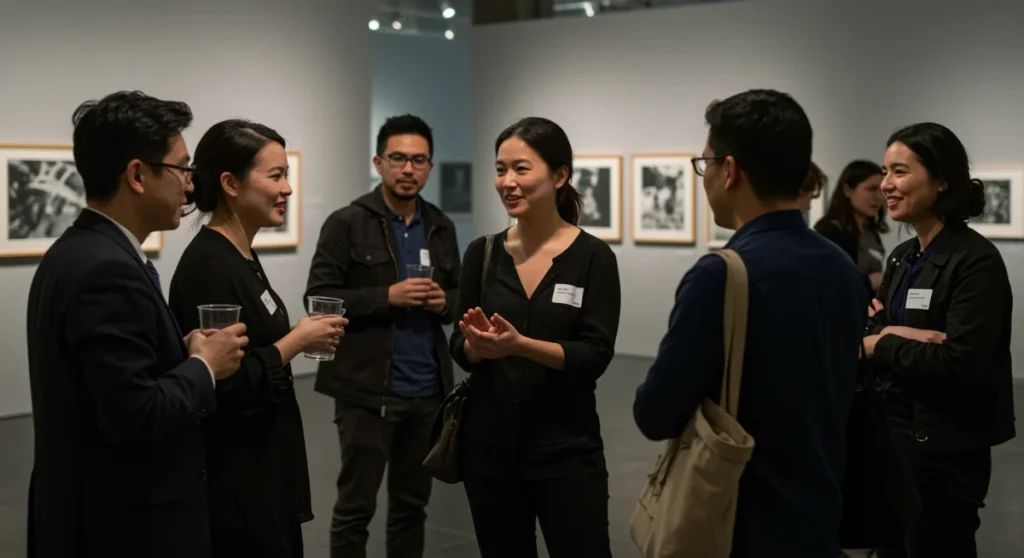
Attending art fairs, gallery openings, and public lectures are excellent ways to meet curators in a less formal setting. Engage in thoughtful conversations about art, ask insightful questions, and listen more than you speak. The goal is to be remembered for your intellect and passion, not just as another artist seeking an exhibition.
Strategic Engagement and Professional Presence
Building a professional presence extends beyond in-person interactions. In today’s digital age, your online footprint is equally important. A well-maintained website, active social media presence, and a professional email communication style all contribute to how you are perceived by curators.
- Maintain an Up-to-Date Website: Your website should be a clean, easily navigable showcase of your best work, artist statement, CV, and contact information.
- Engage on Professional Platforms: Use platforms like LinkedIn or even Instagram (strategically) to share your work, process, and engage with art world professionals.
- Attend Curatorial Talks: Show up for talks given by curators you admire. This demonstrates your interest in their work and provides an opportunity for a brief, informed introduction.
Remember, these relationships take time to develop. Patience and persistence, coupled with a genuine interest in the art world beyond your own practice, will set you apart. Curators are more likely to consider artists they know and trust, or those who have been recommended by their peers.
Crafting an Irresistible Portfolio and Proposal
Once you’ve made a connection, or even when making an initial approach, your portfolio is your most powerful tool. It must be meticulously crafted, showcasing your strongest work in a professional and compelling manner. Curators review countless portfolios, so yours needs to immediately capture their attention and convey your unique artistic voice and vision.
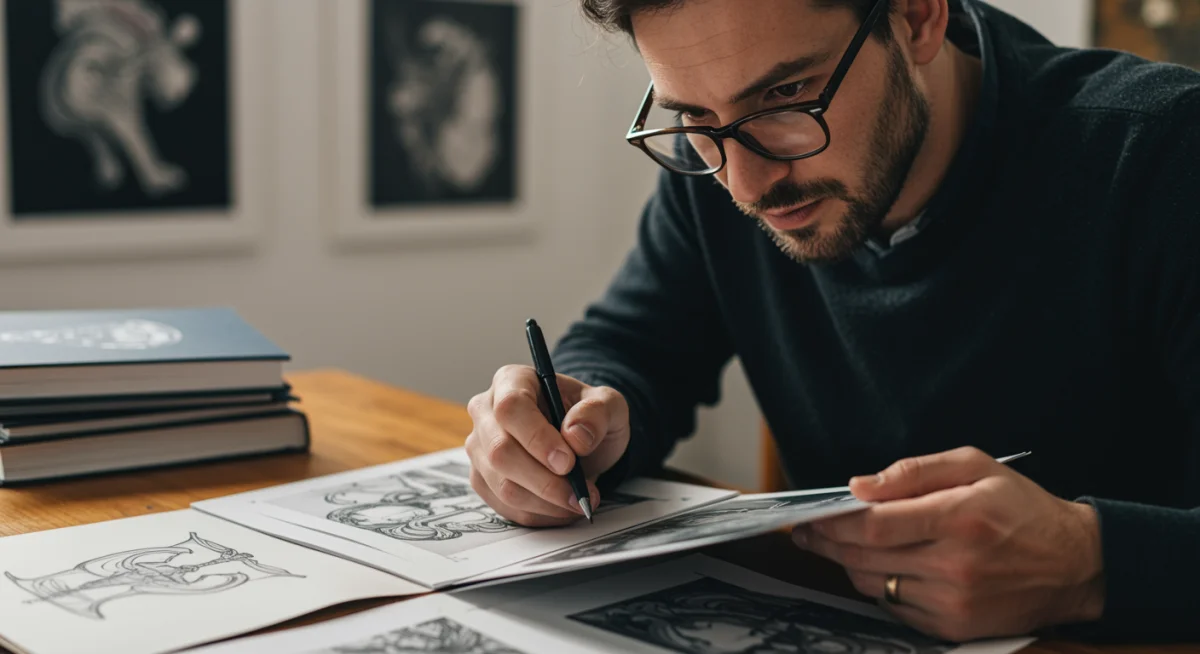
A strong portfolio isn’t just a collection of images; it’s a curated presentation that tells a story about your artistic journey and the ideas behind your work. Each piece should be thoughtfully selected to demonstrate your technical skill, conceptual depth, and consistency. Think of it as your visual resume, designed to impress and intrigue.
Key Elements of a Standout Portfolio
Beyond high-quality images, the accompanying documentation is critical. This includes your artist statement, CV, and a concise proposal if you’re approaching them with a specific exhibition idea. These elements collectively communicate your professionalism and the intellectual rigor of your practice.
- High-Resolution Images: Ensure all images are professional, well-lit, and accurately represent your work. Include details or installation shots where appropriate.
- Clear Artist Statement: A concise (150-250 words) statement that articulates your artistic philosophy, influences, and the core themes of your work.
- Professional CV: List exhibitions, awards, education, and relevant publications. Keep it updated and focused.
- Thoughtful Proposal (if applicable): If proposing a specific exhibition, outline the concept, included works, and how it aligns with the museum’s mission.
Your portfolio and any accompanying proposal should reflect a deep understanding of your own work and its place within contemporary art. Curators are looking for artists who can articulate their vision with clarity and conviction.
Demonstrating Professionalism and Persistence
The art world often moves slowly, and securing a museum exhibition can take years. Professionalism and persistence are therefore paramount. This means more than just being polite; it involves meeting deadlines, responding promptly to communications, and maintaining a consistent level of quality in your work and presentation. Curators appreciate artists who are reliable and easy to work with.
Persistence doesn’t mean being aggressive or demanding. It means staying engaged, continuing to develop your practice, and subtly reminding curators of your existence through new work, smaller exhibitions, or relevant achievements. It’s a marathon, not a sprint, and those who treat it as such are more likely to succeed.
Navigating Rejection and Maintaining Momentum
Rejection is an inevitable part of an artist’s journey. Not every curator will connect with your work, and not every museum will be the right fit. The key is to view rejection not as a personal failure, but as an opportunity for growth and redirection. Learn from feedback, if provided, and continue to refine your approach.
- Seek Constructive Feedback: If possible, ask for feedback on your portfolio or proposal to understand areas for improvement.
- Diversify Your Outreach: Don’t put all your eggs in one basket. Research and approach a variety of institutions and curators.
- Stay Creative and Productive: Continue making new work, experimenting, and evolving your artistic practice. A dynamic portfolio is always more appealing.
Ultimately, a curator is looking for an artist who is not only talented but also dedicated, professional, and has a clear trajectory. Demonstrating these qualities consistently over time will build your reputation and increase your chances of securing that coveted museum exhibition.
The Role of Timing and Opportunity in Exhibitions
Even with outstanding work and excellent networking, timing often plays a significant role in securing museum exhibitions. Curatorial programs are typically planned years in advance, and available slots are limited. An artist might have the perfect work for a museum, but if their exhibition schedule is full, or if a similar theme was recently explored, the opportunity might not materialize immediately.
This reality underscores the importance of long-term strategic planning and patience. It also highlights why staying connected and informed about museum programming is vital. Sometimes, an unexpected opportunity arises, perhaps due to a cancellation or a new initiative, and being on a curator’s radar at that moment can be a game-changer.
Identifying Emerging Trends and Gaps
Curators are also attuned to emerging trends in the art world and often seek to fill perceived gaps in their collections or exhibition narratives. Artists who can identify these trends or offer a unique perspective on an overlooked subject can position themselves favorably.
- Read Art Publications: Stay informed about current art discourse, major exhibitions, and critical reviews.
- Visit Other Exhibitions: Understand what other artists are creating and how their work is being presented in institutional settings.
- Reflect on Societal Shifts: Consider how your art engages with contemporary social, political, or cultural issues, as these are often areas of curatorial interest.
Being proactive in identifying these opportunities, rather than passively waiting, can give an artist a significant edge. It shows initiative and a sophisticated understanding of the broader art landscape.
Leveraging Digital Platforms and Virtual Exhibitions
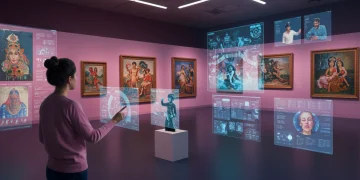
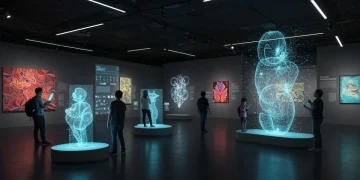
The digital age has transformed how art is consumed and discovered. While physical museum exhibitions remain highly prestigious, digital platforms and virtual exhibitions now offer alternative avenues for artists to gain visibility and connect with curators. Many museums and galleries have expanded their online presence, including virtual tours, online collections, and digital-only exhibitions.
An artist’s online portfolio and social media are no longer just supplementary tools; they are often the first point of contact for curators. A strong digital presence can act as a powerful extension of your physical practice, making your work accessible to a global audience and potentially catching the eye of curators far beyond your local network.
Building a Robust Online Presence
A compelling digital footprint involves more than just posting images. It requires thoughtful curation of your online identity, engaging with your audience, and presenting your work in a professional and consistent manner across all platforms.
- Professional Website: Your primary online hub, showcasing high-quality images, artist statement, CV, and contact details.
- Social Media Engagement: Platforms like Instagram or Artsy can be powerful tools for sharing your process, engaging with followers, and connecting with art professionals.
- Online Art Marketplaces: Consider platforms like Saatchi Art or Artnet to broaden your reach and potentially attract collectors and curators.
Embracing digital tools can significantly amplify an artist’s reach and provide new pathways to recognition. Curators increasingly discover artists through these online channels, making a robust digital presence an indispensable part of an emerging artist’s strategy for securing museum exhibitions by 2027.
| Key Tip | Brief Description |
|---|---|
| Understand Curators | Research their vision and institutional alignment to tailor your approach. |
| Cultivate Relationships | Network authentically and build genuine connections within the art world. |
| Craft Strong Portfolios | Present high-quality work with clear statements and a professional CV. |
| Demonstrate Professionalism | Be persistent, responsive, and maintain a high standard in all interactions. |
Frequently Asked Questions About Museum Exhibitions
Curators seek originality, technical skill, conceptual depth, and relevance to contemporary themes. They also value a clear artistic vision and how the work aligns with the museum’s mission or a specific exhibition narrative.
Networking is crucial. Building genuine relationships with curators and other art professionals can open doors to opportunities that cold approaches rarely do. Attend events and engage thoughtfully.
A strong portfolio features high-resolution images of your best work, a concise artist statement, a professional CV, and potentially a specific exhibition proposal. It should be easy to navigate and visually compelling.
Securing a museum exhibition can take several years due to extensive planning and limited slots. Persistence, consistent work, and maintaining professional relationships are key during this long process.
Absolutely. A robust online presence, including a professional website and active social media, can significantly increase an artist’s visibility. Curators frequently discover new talent through digital channels and virtual exhibitions.
Conclusion
Securing a museum exhibition by 2027 is an ambitious but achievable goal for emerging artists who approach the art world with strategic insight and unwavering dedication. By understanding the curatorial mindset, cultivating meaningful relationships, presenting an impeccable portfolio, and demonstrating consistent professionalism, artists can significantly enhance their chances. The journey is often long and challenging, but with persistence, adaptability, and a genuine passion for their craft, emerging artists can indeed find their place in prestigious institutional settings, shaping the cultural landscape for years to come.