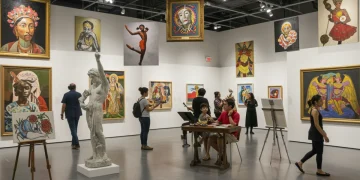
Preserving Indigenous American Art: Solutions for 2026
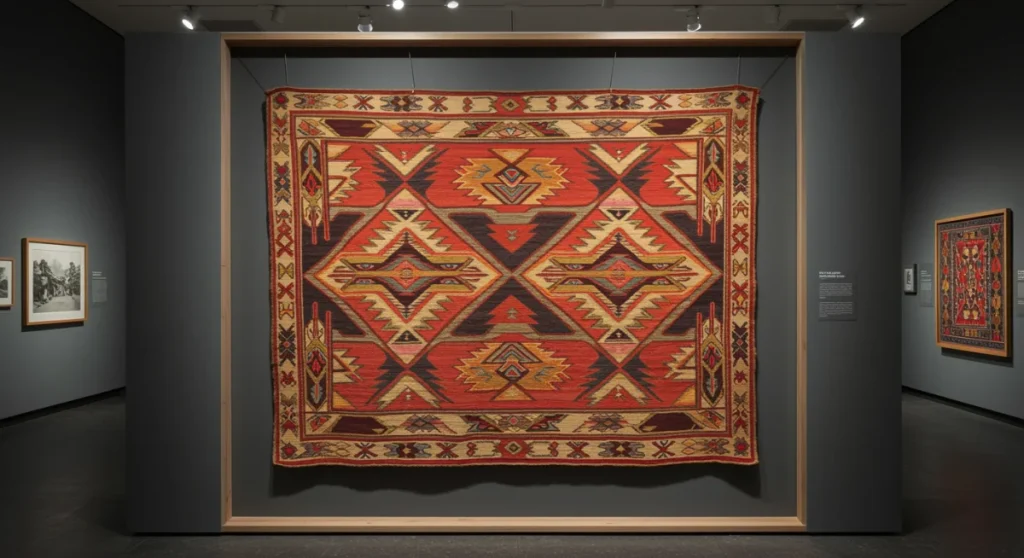
Practical solutions for preserving Indigenous American art in 2026 involve strengthening community-led initiatives, implementing advanced digital archiving techniques, and fostering comprehensive educational programs to ensure the longevity and accessibility of this vital cultural heritage.
Unlocking Cultural Heritage: 3 Practical Solutions for Preserving Indigenous American Art in 2026 is not merely an academic exercise; it’s a critical endeavor to safeguard invaluable traditions and stories for future generations. This article explores innovative approaches to ensure the vibrancy and continuity of Indigenous artistic expressions across the United States.
The Imperative of Indigenous Art Preservation
Indigenous American art is far more than aesthetic objects; it embodies spiritual beliefs, historical narratives, and intricate social structures. Each piece, whether a finely woven basket, a painted pottery shard, or a carved totem, carries generations of knowledge and cultural identity. The urgency to preserve this art intensifies with the passage of time, as traditional practices face challenges from modernization, environmental changes, and historical injustices.
Preservation efforts are crucial for several reasons. Firstly, they ensure the survival of unique artistic techniques and materials that might otherwise be lost. Secondly, they support the cultural revitalization of Indigenous communities, providing tangible links to their past and empowering contemporary artists. Finally, these initiatives educate the broader public, fostering a deeper understanding and appreciation of Indigenous cultures and their profound contributions to the global artistic landscape.
Historical Context and Current Challenges
Historically, Indigenous art has faced periods of suppression and appropriation. Colonial policies often disrupted traditional artistic practices, leading to a decline in certain art forms. Today, while there’s greater recognition, challenges persist. These include limited funding for conservation, lack of access to specialized preservation technologies within communities, and the ongoing struggle against illicit trafficking of cultural artifacts.
- Lack of adequate resources for community-based conservation.
- Vulnerability of traditional materials to environmental degradation.
- The digital divide affecting documentation and accessibility.
- Repatriation issues for art held in non-Indigenous institutions.
Addressing these challenges requires a multi-faceted approach that respects the sovereignty and self-determination of Indigenous nations. The solutions discussed here prioritize community leadership and collaborative partnerships, ensuring that preservation efforts are culturally appropriate and sustainable.
Solution 1: Strengthening Community-Led Preservation Initiatives
Empowering Indigenous communities to lead their own art preservation efforts is paramount. This solution centers on providing resources, training, and infrastructure directly to tribal nations and Indigenous organizations, enabling them to document, conserve, and interpret their cultural heritage according to their own protocols and values. It moves away from external institutions dictating preservation methods and towards a model of collaborative support.
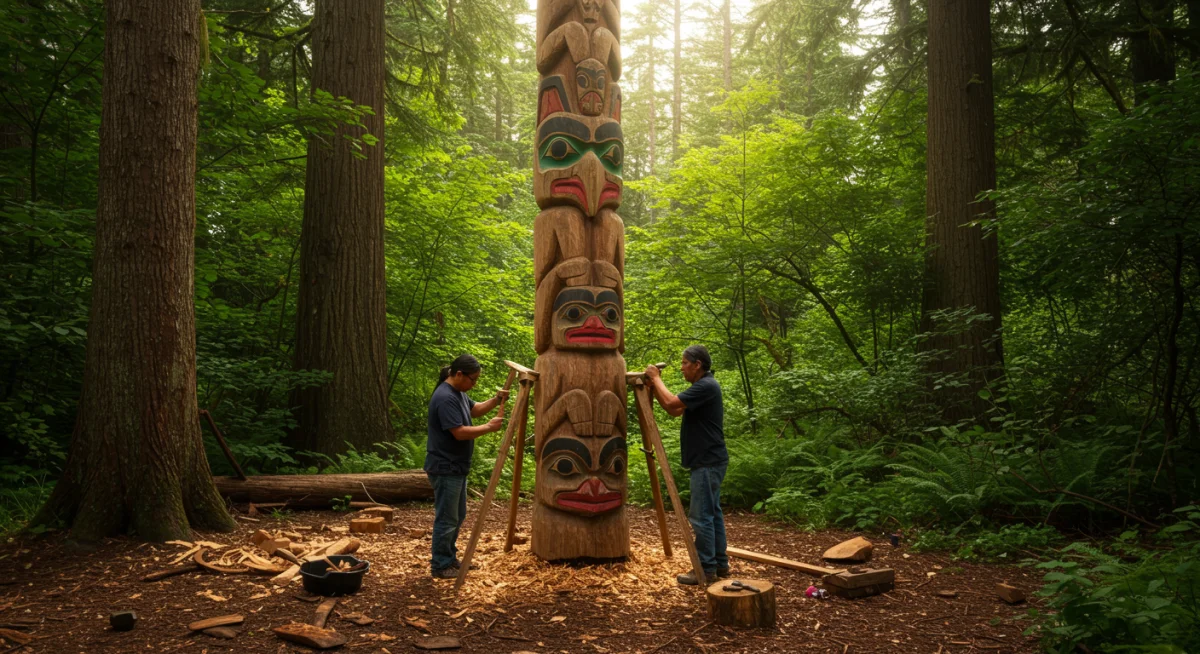
Community-led initiatives foster a sense of ownership and responsibility, ensuring that preservation practices are deeply rooted in cultural context. This approach respects traditional knowledge systems and oral histories, which are often integral to understanding and maintaining Indigenous art forms. It also creates opportunities for intergenerational knowledge transfer, where elders can pass down techniques and stories to younger community members.
Funding and Capacity Building
Sustainable funding mechanisms are vital for these initiatives. This includes grants specifically earmarked for Indigenous-led projects, as well as partnerships with philanthropic organizations and government agencies. Capacity building involves training community members in conservation science, archival management, and digital technologies. This ensures that the skills needed for long-term preservation reside within the communities themselves.
- Establishing tribal cultural centers and museums.
- Providing grants for material conservation and restoration workshops.
- Training programs for Indigenous conservators and archivists.
- Developing culturally sensitive ethical guidelines for preservation.
By investing in the human and institutional capacity of Indigenous communities, we can build a robust network of cultural stewards. This decentralized approach ensures that diverse artistic traditions receive the specialized attention they require, reflecting the unique needs and aspirations of each tribal nation.
Solution 2: Advanced Digital Archiving and Virtual Accessibility
The digital age offers unprecedented opportunities for the preservation and dissemination of Indigenous American art. Advanced digital archiving goes beyond simple digitization; it involves creating comprehensive, high-resolution digital surrogates of artworks, complete with metadata that includes cultural context, oral histories, and artist biographies. This ensures that even if physical objects are damaged or lost, their essence and information remain accessible.
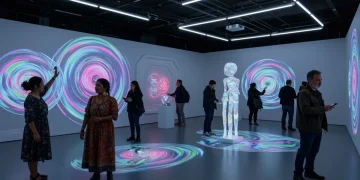
Virtual accessibility transforms how Indigenous art can be experienced and studied globally. Online platforms, virtual reality (VR) tours, and augmented reality (AR) applications can bring these artworks to a wider audience, breaking down geographical barriers and fostering cross-cultural understanding. This technology also serves as a powerful tool for educational outreach, allowing students and researchers to engage with Indigenous art in innovative ways.
Ethical Considerations in Digitalization
While the benefits are clear, ethical considerations are paramount. Digital archiving must be conducted in close collaboration with Indigenous communities, ensuring that intellectual property rights are respected and that sensitive cultural information is protected. Protocols for access and usage must be established by the communities themselves, safeguarding against misuse or misrepresentation.
Collaborative platforms where communities control their digital assets are essential. This could involve cloud-based repositories managed by tribal cultural departments or federated systems that link various community archives. The goal is to create a digital ecosystem that empowers Indigenous voices and narratives.
The implementation of advanced digital archiving techniques provides a resilient layer of protection for Indigenous art. It ensures that the visual, historical, and cultural data associated with these artworks is preserved in perpetuity, making them accessible for research, education, and cultural revitalization efforts, all while respecting community sovereignty.
Solution 3: Fostering Educational Programs and Intergenerational Knowledge Transfer
Education is a cornerstone of long-term preservation. This solution focuses on developing and supporting educational programs that transmit traditional artistic knowledge and practices both within Indigenous communities and to the broader public. These programs are vital for ensuring that traditional art forms continue to evolve and thrive, rather than becoming static museum pieces.
Within Indigenous communities, intergenerational knowledge transfer is critical. This involves creating mentorship programs, workshops, and apprenticeships where elders and master artists can teach younger generations traditional techniques, material preparation, and the cultural significance of various art forms. These programs strengthen cultural identity and ensure the continuity of artistic legacies.
Public Education and Awareness
For the wider public, educational initiatives can foster greater appreciation and understanding of Indigenous American art. This includes curriculum development for K-12 schools and universities, public lectures, exhibitions, and online resources that present Indigenous art from an Indigenous perspective. Dispelling misconceptions and promoting accurate narratives are key objectives.
- Art workshops for youth led by tribal elders.
- University courses on Indigenous art history and conservation.
- Collaborative exhibitions with Indigenous artists and curators.
- Development of culturally appropriate educational materials.
By fostering robust educational programs, we cultivate a new generation of artists, scholars, and advocates who are committed to the preservation and promotion of Indigenous American art. This not only safeguards the art itself but also strengthens the cultural fabric of Indigenous nations and enriches the global cultural dialogue.
Challenges in Implementing Solutions and Overcoming Them
While the proposed solutions offer significant promise, their implementation is not without challenges. Resource allocation, jurisdictional complexities, and the need for sustained engagement are recurrent obstacles. Addressing these requires strategic planning, collaborative partnerships, and a deep commitment to Indigenous self-determination. Financial constraints often limit the scope and duration of preservation projects. Securing long-term funding from diverse sources, including government grants, private foundations, and individual donors, is essential. Furthermore, developing sustainable economic models that support Indigenous artists and cultural institutions can create self-sufficiency.
Navigating Jurisdictional Complexities
Indigenous art often crosses jurisdictional boundaries, involving tribal governments, state agencies, and federal institutions. Establishing clear protocols for collaboration, data sharing, and intellectual property rights is crucial. Inter-tribal agreements and partnerships with non-Indigenous institutions must be built on principles of mutual respect and equity. The digital divide remains a significant barrier in many remote Indigenous communities. Investing in broadband infrastructure and providing access to digital literacy training are necessary steps to ensure equitable participation in digital archiving and virtual accessibility initiatives.
Overcoming these challenges requires a sustained, collaborative effort. By prioritizing Indigenous leadership, fostering strong partnerships, and addressing systemic inequalities, the path to effective art preservation becomes clearer. The goal is to create an environment where Indigenous American art can thrive, not just survive.
The Future Landscape of Indigenous Art Preservation
Looking ahead to 2026 and beyond, the landscape of Indigenous art preservation is evolving towards a more holistic and community-centric model. The integration of traditional ecological knowledge with modern conservation science is becoming increasingly important, particularly for art forms that utilize natural materials. This approach recognizes the deep connection between Indigenous art, land, and cultural practices.
Moreover, the role of international collaborations is expanding. Sharing best practices, research, and resources with Indigenous communities globally can lead to innovative solutions and strengthen a worldwide network of cultural preservationists. Repatriation efforts are also gaining momentum, with more institutions working to return cultural objects to their communities of origin, fostering healing and cultural revitalization.
Emerging Technologies and AI
Emerging technologies, such as artificial intelligence (AI) and blockchain, hold potential for future preservation efforts. AI can assist in the analysis of materials, identification of deterioration patterns, and even the reconstruction of damaged artifacts digitally. Blockchain technology could offer secure and transparent ways to track provenance and ensure the authenticity of Indigenous artworks, combating illicit trade.
The future of Indigenous art preservation is bright, fueled by a growing recognition of its importance and a commitment to empowering Indigenous voices. By embracing innovation while honoring tradition, we can ensure that these invaluable cultural treasures continue to inspire and educate for generations to come, truly unlocking their heritage for all.
| Key Solution | Brief Description |
|---|---|
| Community-Led Initiatives | Empowering Indigenous communities with resources and training to manage their own art preservation according to cultural values. |
| Advanced Digital Archiving | Creating high-resolution digital records and virtual access platforms for Indigenous art, with community control over data. |
| Educational Programs | Fostering intergenerational knowledge transfer within communities and public awareness through diverse educational platforms. |
| Ethical Frameworks | Ensuring preservation efforts respect Indigenous intellectual property, cultural protocols, and sovereignty in all aspects. |
Frequently Asked Questions about Indigenous Art Preservation
Preserving Indigenous American art is crucial because it safeguards unique cultural identities, historical narratives, and spiritual beliefs. Each artwork is a tangible link to generations of knowledge, ensuring the continuity of traditions and empowering Indigenous communities by maintaining their heritage.
Communities play a central role by leading preservation efforts, ensuring cultural appropriateness and respect for traditional knowledge. Their involvement guarantees that art is conserved according to Indigenous protocols, fostering intergenerational knowledge transfer and strengthening cultural revitalization within their nations.
Digital archiving creates high-resolution digital copies and comprehensive metadata for artworks, providing resilient backups against physical loss or damage. It also enhances global accessibility and educational opportunities, while ensuring communities retain control over their digital assets and cultural information.
Ethical considerations include respecting intellectual property rights, protecting sensitive cultural information, and ensuring communities establish protocols for access and usage. All digital projects must be collaborative, preventing misrepresentation and ensuring Indigenous sovereignty over their cultural heritage.
Educational programs foster intergenerational knowledge transfer within communities, ensuring traditional techniques and stories are passed down. For the broader public, they build appreciation and understanding, dispelling misconceptions and promoting accurate narratives, thereby cultivating future advocates for Indigenous art.
Conclusion
The journey to effectively preserve Indigenous American art is multifaceted, demanding a blend of traditional wisdom and modern innovation. By prioritizing community-led initiatives, leveraging advanced digital archiving, and investing in comprehensive educational programs, we can collectively ensure that these invaluable cultural treasures are not only protected but also continue to inspire and educate future generations. The year 2026 marks a pivotal moment to solidify these efforts, creating a lasting legacy of cultural respect and artistic continuity.