Local POS Systems Comparison: 30% Efficiency Gain for Small Retailers
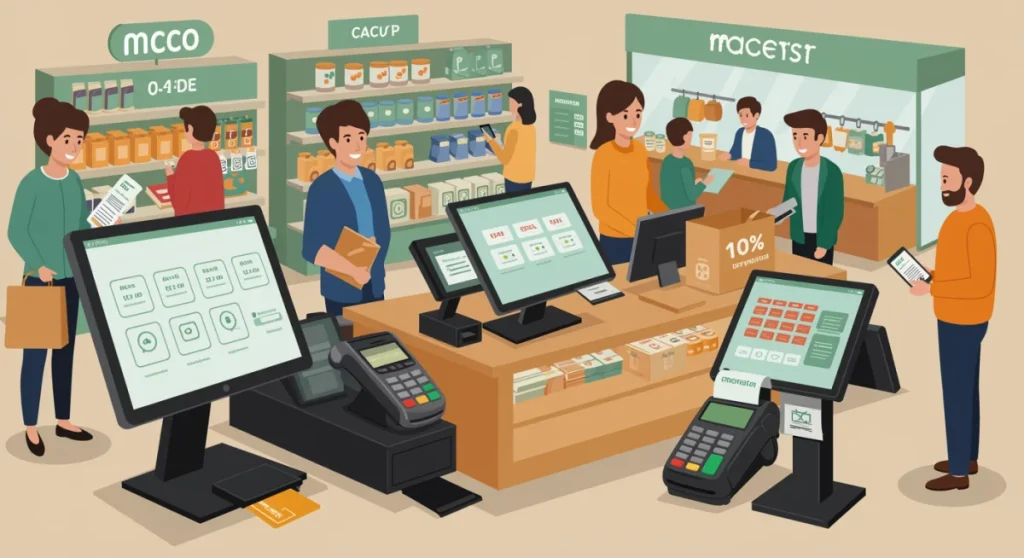
Implementing the right local POS system can significantly boost small retailers’ operational efficiency, with top platforms projected to deliver a 30% gain by 2026 through advanced inventory management, integrated payments, and insightful analytics.
Are you a small retailer looking to significantly boost your business’s operational efficiency? The right local POS systems comparison can reveal platforms capable of delivering a remarkable 30% efficiency gain by 2026, transforming how you manage sales, inventory, and customer relationships.
The Evolving Landscape of Local POS Systems
The retail sector is in constant flux, and small businesses are increasingly reliant on technology to stay competitive. Point-of-Sale (POS) systems have evolved far beyond simple cash registers, becoming integrated hubs for managing various aspects of a retail operation. Understanding this evolution is key to selecting a system that not only meets current needs but also anticipates future growth and delivers tangible efficiency improvements.
Modern POS systems offer a suite of functionalities designed to streamline daily tasks, from processing transactions to managing inventory and customer data. For small retailers, the choice of a POS system can directly impact profitability, customer satisfaction, and overall business scalability. The goal is to find a system that simplifies complex processes, freeing up valuable time and resources.
Beyond Basic Transactions: What to Look For
When considering a new POS system, it’s crucial to look beyond its ability to simply process payments. A truly effective system will offer a robust set of features that address the specific challenges faced by small retailers.
- Integrated Inventory Management: Real-time tracking of stock levels, automated reordering, and multi-location support.
- Customer Relationship Management (CRM): Tools for building customer profiles, loyalty programs, and targeted marketing campaigns.
- Employee Management: Time clock features, sales performance tracking, and permission settings.
- Reporting and Analytics: Comprehensive sales reports, trend analysis, and insights into customer behavior.
These advanced features are not just luxuries; they are necessities for any small business aiming for a significant leap in efficiency. By automating and centralizing these functions, retailers can reduce manual errors, save time, and make more informed business decisions.
The market is flooded with options, each promising unique benefits. Navigating this landscape requires a clear understanding of your business’s specific needs and a keen eye for systems that offer genuine value and a strong return on investment. The right system can turn operational bottlenecks into smooth, efficient workflows, ultimately contributing to that coveted 30% efficiency gain.
Key Players in the Local POS Market for Small Retailers
Identifying the top contenders in the local POS market is the first step toward making an informed decision. Several platforms have carved out niches by offering tailored solutions for small businesses, focusing on ease of use, comprehensive features, and competitive pricing. This section delves into some of the most prominent systems that small retailers in the US should consider.
Each system brings its own strengths to the table, catering to different business models and operational scales. Understanding these distinctions is crucial for a successful implementation that drives efficiency and growth.
Square POS: Simplicity and Scalability
Square has long been a favorite among small businesses due to its user-friendly interface and straightforward pricing. It’s particularly well-suited for businesses just starting out or those with limited IT resources.
- Ease of Setup: Get up and running quickly with minimal technical expertise.
- Hardware Options: Offers a range of affordable hardware, from card readers to full register kits.
- Integrated Services: Seamlessly integrates with Square Payroll, Square Marketing, and online store functionalities.
Square’s strength lies in its ecosystem, providing a holistic solution for various business needs. While its transaction fees are competitive, understanding the overall cost structure is important for long-term planning.
Shopify POS: E-commerce Integration Powerhouse
For retailers with a strong online presence or those looking to expand into e-commerce, Shopify POS offers an unparalleled integration between online and offline sales channels. This unified approach is a significant advantage for businesses aiming for omnichannel retail.
The platform allows for centralized inventory management across all sales points, ensuring that stock levels are always accurate, whether a sale occurs in-store or online. This eliminates the need for manual reconciliation and reduces the risk of overselling.
Lightspeed Retail: Advanced Inventory for Multi-Store Operations
Lightspeed Retail is designed for businesses that require more sophisticated inventory management, especially those with multiple locations or a large product catalog. Its robust features cater to retailers dealing with complex stock needs, such as fashion boutiques, electronics stores, or sporting goods shops.
The system excels in detailed product tracking, vendor management, and purchasing tools, giving retailers granular control over their inventory. This level of detail is critical for optimizing stock levels, minimizing waste, and maximizing profit margins.
Assessing Your Business Needs for Optimal POS Selection
Choosing the right local POS system isn’t a one-size-fits-all decision. The optimal platform for your business depends heavily on your specific operational needs, industry, and growth aspirations. A thorough assessment of these factors is paramount to selecting a system that truly delivers a 30% efficiency gain.
Before diving into feature lists and pricing plans, take the time to understand your current pain points and what you hope to achieve with a new POS system. This introspective analysis will guide your search and help you prioritize features that are genuinely impactful for your business.
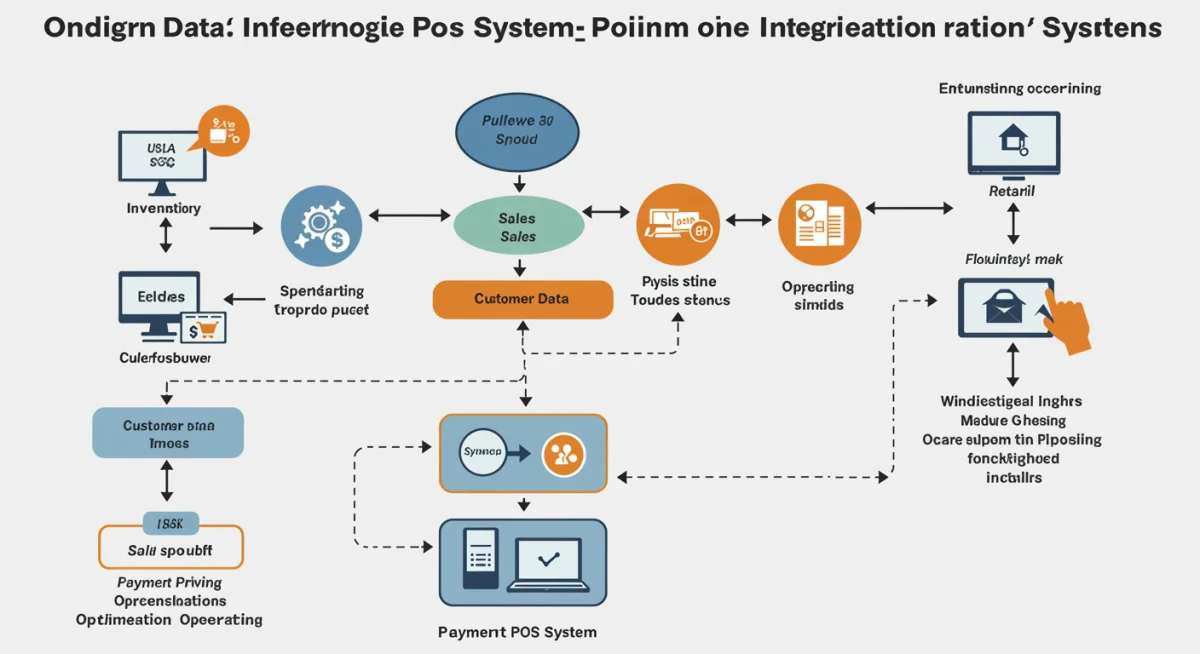
Consider the daily workflows of your staff, the types of products you sell, and your customer interaction points. Do you need robust e-commerce integration? Is advanced inventory management a priority? What about customer loyalty programs?
Identifying Core Functionalities
Start by listing the essential functionalities your business cannot operate without. These are the non-negotiables that any prospective POS system must offer.
- Payment Processing: Support for various payment methods, including contactless and mobile payments.
- Sales Reporting: Ability to generate customizable reports on sales performance, product popularity, and peak hours.
- Inventory Tracking: Basic stock management, including product variants and low-stock alerts.
Once you have your core functionalities established, you can then consider additional features that would enhance your operations and contribute to efficiency gains. These might include advanced CRM tools, employee scheduling, or integrated accounting.
The cost of a POS system also plays a significant role. Beyond the initial setup fees, consider monthly subscriptions, transaction fees, and hardware costs. A seemingly affordable system might have hidden costs that accumulate over time. Look for transparent pricing models and compare total cost of ownership over several years.
Finally, consider the scalability of the system. As your business grows, will the POS system be able to accommodate increased transaction volumes, additional locations, or new product lines? Choosing a scalable solution prevents the need for another costly migration down the line, ensuring long-term efficiency.
Achieving a 30% Efficiency Gain: Strategies and Best Practices
Simply installing a new POS system isn’t enough to guarantee a 30% efficiency gain. The true potential of these platforms is unlocked through strategic implementation and the adoption of best practices. This involves more than just technical setup; it requires a holistic approach to integrating the system into your daily operations and leveraging its full capabilities.
The goal is to optimize every touchpoint, from the moment a customer walks in to the final transaction and beyond. This optimization contributes to faster service, reduced errors, and better resource allocation.
Streamlining Inventory Management
One of the most significant areas for efficiency improvement is inventory management. A modern POS system can automate many of the tedious and error-prone tasks associated with stock control.
- Automated Reordering: Set thresholds for products to automatically generate purchase orders when stock runs low.
- Barcode Scanning: Speed up receiving and selling processes with efficient barcode scanning.
- Multi-Location Sync: Ensure accurate inventory counts across all stores and online channels in real-time.
By minimizing manual inventory checks and reducing instances of stockouts or overstocking, businesses can significantly cut down on labor costs and improve cash flow. This directly translates into higher operational efficiency and better customer satisfaction.
Another critical area is employee training. A powerful POS system is only as effective as the people using it. Invest in comprehensive training for your staff to ensure they are proficient in all aspects of the system, from processing sales to generating reports. Well-trained employees can leverage the system’s features to their fullest, leading to faster service and fewer operational hiccups.
Regularly review the data and analytics provided by your POS system. These insights are invaluable for identifying sales trends, understanding customer preferences, and optimizing pricing strategies. By making data-driven decisions, small retailers can continuously refine their operations and capitalize on new opportunities, driving sustained efficiency improvements.
Integration Capabilities and Future-Proofing Your Investment
In today’s interconnected business environment, a standalone POS system is often insufficient. The true power of a modern platform lies in its ability to integrate seamlessly with other business tools, creating a unified ecosystem that streamlines operations and enhances overall efficiency. When comparing local POS systems comparison, robust integration capabilities should be a top priority for any small retailer seeking to future-proof their investment.
Think about your existing software solutions: accounting platforms, CRM systems, e-commerce platforms, and marketing tools. A POS system that can communicate effectively with these applications eliminates data silos, reduces manual data entry, and provides a more comprehensive view of your business performance.
Essential Integrations for Small Retailers
Look for POS systems that offer native integrations or robust APIs (Application Programming Interfaces) to connect with popular business software.
- Accounting Software: Sync sales data directly with platforms like QuickBooks or Xero to simplify bookkeeping and tax preparation.
- E-commerce Platforms: For omnichannel retailers, seamless integration with Shopify, WooCommerce, or similar platforms is non-negotiable for unified inventory and sales management.
- CRM and Marketing Tools: Connect with tools like Mailchimp or HubSpot to leverage customer data for targeted marketing campaigns and loyalty programs.
These integrations not only save time but also improve data accuracy, leading to better decision-making. Imagine the efficiency gains from not having to manually enter sales figures into your accounting software or update customer information across multiple platforms.
Future-proofing your investment also involves considering the vendor’s commitment to continuous innovation. The retail technology landscape is constantly evolving, with new features and security protocols emerging regularly. Choose a POS provider that frequently updates its software, offers strong customer support, and is responsive to market changes. This ensures your system remains relevant and effective for years to come.
Cloud-based POS systems, for instance, often receive automatic updates, ensuring you always have access to the latest features and security enhancements without manual intervention. This reduces IT overhead and allows you to focus on running your business, further contributing to efficiency gains.
Cost-Benefit Analysis: ROI of a New POS System
Investing in a new local POS system represents a significant financial decision for small retailers. To justify this investment, a thorough cost-benefit analysis is essential. The goal is to demonstrate how the initial outlay and ongoing costs will be offset by the efficiency gains, increased revenue, and improved operational insights, ultimately leading to a strong return on investment (ROI).
While the prospect of a 30% efficiency gain is enticing, it’s crucial to quantify this in terms of tangible financial benefits. This involves looking beyond just the sticker price and considering the long-term value proposition of the chosen system.
Calculating the Costs
The total cost of ownership (TCO) for a POS system includes several components:
- Initial Hardware Purchase: Terminals, printers, barcode scanners, cash drawers.
- Software Subscription Fees: Monthly or annual charges for the POS software.
- Transaction Fees: Percentage-based fees on credit card processing.
- Setup and Installation: Costs associated with getting the system up and running.
- Training: Time and resources spent on training staff to use the new system.
It’s important to obtain detailed quotes from multiple vendors and compare not just the headline price but the entire cost structure. Some systems might have lower monthly fees but higher transaction rates, or vice versa.
On the benefit side, quantify the potential efficiency gains. A 30% efficiency gain could translate into reduced labor costs due to automated inventory and faster checkout times. It could also mean fewer errors, leading to less product waste and improved customer satisfaction.
Consider the impact on revenue. Enhanced reporting can help identify best-selling products and optimize pricing, while integrated CRM features can boost customer loyalty and repeat business. These factors directly contribute to increased sales and profitability.
The ROI calculation should factor in both direct cost savings and indirect revenue generation. A well-chosen POS system isn’t just an expense; it’s a strategic asset that empowers small retailers to operate more effectively, compete more aggressively, and achieve sustainable growth. By meticulously analyzing the costs and benefits, businesses can confidently invest in a system that truly delivers on its promise of efficiency and profitability.
| Key Aspect | Brief Description |
|---|---|
| Efficiency Gain Potential | Modern POS systems can deliver up to a 30% efficiency boost through automation and integration. |
| Key Features | Look for integrated inventory, CRM, employee management, and robust reporting tools. |
| Strategic Implementation | Proper training, continuous data analysis, and system integrations are crucial for success. |
| Future-Proofing | Choose scalable, cloud-based systems with strong vendor support and frequent updates. |
Frequently Asked Questions About Local POS Systems
A local POS system is a point-of-sale solution optimized for physical retail locations, handling transactions, inventory, and customer data. It’s crucial for small retailers to streamline operations, enhance customer experience, and gain valuable insights into business performance.
A new POS system can achieve this by automating inventory management, speeding up checkout processes, providing real-time sales analytics, and integrating seamlessly with other business tools like accounting software, significantly reducing manual tasks and errors.
Essential features include robust inventory management, comprehensive sales reporting, integrated payment processing, customer relationship management (CRM) capabilities, and employee management tools. Scalability and ease of use are also vital considerations for long-term success.
Generally, cloud-based POS systems are highly recommended for small businesses due to their lower upfront costs, automatic updates, remote accessibility, and better scalability. On-premise systems require more IT infrastructure and maintenance but offer more control.
To ensure a smooth transition, start with thorough planning, comprehensive staff training, and data migration. Conduct pilot tests, have a clear communication strategy with your team, and leverage the vendor’s support resources during and after implementation.
Conclusion
The journey to selecting and implementing the ideal local POS system for your small retail business is a critical one, offering the potential for significant operational improvements. As we’ve explored, achieving a 30% efficiency gain by 2026 is an ambitious yet entirely attainable goal, provided you make an informed decision and commit to strategic implementation. By meticulously comparing platforms like Square, Shopify POS, and Lightspeed Retail, assessing your unique business needs, and focusing on key features such as integrated inventory, comprehensive analytics, and robust integration capabilities, small retailers can transform their operations. The right POS system is more than just a transaction processor; it’s a strategic partner that empowers growth, enhances customer satisfaction, and future-proofs your business in an increasingly competitive market. Embrace the technology, train your team, and leverage data to unlock unparalleled efficiency and profitability.