National Disaster Preparedness: 5 Key Updates for U.S. Local Communities Following Recent Policy Changes in 2026
The landscape of national disaster preparedness is constantly evolving, shaped by new scientific insights, changing environmental patterns, and, critically, updated policy frameworks. For U.S. local communities, staying abreast of these changes is not merely good practice; it is essential for safeguarding lives, protecting infrastructure, and fostering long-term resilience. As we move into 2026, a series of significant policy shifts have been enacted, promising to redefine how communities prepare for, respond to, and recover from various hazards. These updates reflect a growing recognition of the interconnectedness of federal, state, and local efforts, emphasizing a more proactive, equitable, and technologically integrated approach to emergency management. Understanding these critical adjustments is paramount for local leaders, emergency managers, community organizations, and every resident committed to building a safer future.
This comprehensive article delves into five key updates in national disaster preparedness that are set to significantly impact U.S. local communities in 2026. From new funding mechanisms designed to bolster local capabilities to enhanced frameworks for inter-agency collaboration and a renewed focus on climate resilience, these changes demand attention and adaptation. We will explore the nuances of each update, discuss their potential implications, and provide actionable insights for communities striving to optimize their preparedness strategies. Our goal is to equip you with the knowledge needed to navigate this new era of disaster management effectively, ensuring your community is not just ready, but truly resilient.
The Evolving Landscape of Disaster Preparedness Updates
Disasters, whether natural or man-made, are becoming increasingly frequent and severe. The past decade has witnessed an unprecedented rise in extreme weather events, cyberattacks, and public health crises, each posing unique challenges to national security and community well-being. In response, federal agencies, led by FEMA (Federal Emergency Management Agency) and the Department of Homeland Security, have been diligently working to refine policies, streamline processes, and allocate resources more effectively. The 2026 policy changes are a culmination of these efforts, incorporating lessons learned from recent events and leveraging advancements in technology and data analytics. These Disaster Preparedness Updates are not isolated incidents but rather part of a larger, ongoing commitment to national resilience. They represent a strategic pivot towards empowering local communities with greater autonomy, better tools, and more robust support systems. The emphasis has shifted from a purely reactive stance to a more proactive, preventative, and community-centric model. This means that local governments and organizations are now expected to play an even more central role in identifying risks, developing mitigation strategies, and fostering a culture of preparedness among their constituents.
One of the foundational principles driving these updates is the recognition that effective disaster preparedness is a shared responsibility. It requires seamless coordination across all levels of government, active participation from the private sector, and the engagement of individual citizens. The new policies aim to break down silos, encourage innovation, and ensure that resources are directed where they are most needed and can have the greatest impact. For U.S. local communities, this translates into both opportunities and challenges. On one hand, there is the promise of increased funding, technical assistance, and access to cutting-edge technologies. On the other hand, there is the expectation of greater accountability, more rigorous planning, and a deeper commitment to integrating preparedness into everyday governance. Navigating this evolving landscape successfully will require agility, foresight, and a willingness to embrace new approaches. The following sections will detail the specific policy changes that form the bedrock of this new era in national disaster preparedness.
Update 1: Enhanced Funding and Grant Accessibility for Local Resilience Projects
Perhaps one of the most impactful Disaster Preparedness Updates for U.S. local communities in 2026 is the significant overhaul of federal funding mechanisms and grant accessibility. Recognizing that financial constraints often hinder local preparedness efforts, new policies have been implemented to simplify the application process, increase funding allocations, and prioritize projects that demonstrate a clear commitment to long-term resilience. This update is a direct response to feedback from local governments, who have long advocated for more flexible and accessible funding options.
The “Community Resilience Investment Fund” (CRIF)
A cornerstone of this update is the establishment of the “Community Resilience Investment Fund” (CRIF). This new fund, managed jointly by FEMA and the Department of Housing and Urban Development (HUD), is specifically designed to support local, innovative projects aimed at mitigating disaster risks and enhancing community resilience. Unlike previous grant programs that often had rigid criteria, CRIF offers greater flexibility, allowing communities to propose projects tailored to their unique vulnerabilities and needs. This could range from infrastructure upgrades that protect against specific hazards (e.g., sea walls, reinforced buildings) to nature-based solutions (e.g., wetlands restoration, urban green spaces) and community-led initiatives for emergency communication and volunteer training.
Simplified Application Processes and Technical Assistance
Another critical aspect of this update is the simplification of grant application processes. Historically, the complexity of federal grant applications has been a significant barrier for smaller communities with limited administrative capacity. The new policies introduce standardized application forms, clearer guidelines, and a dedicated technical assistance program to help local governments navigate the application process. FEMA has also launched a series of regional workshops and online resources to provide direct support and guidance, ensuring that all communities, regardless of their size or experience, have an equal opportunity to access these vital funds.
Prioritization of Equity and Vulnerable Populations
A key focus of the enhanced funding is the prioritization of projects that address the needs of vulnerable populations and promote equity in disaster preparedness. Communities that demonstrate a clear plan to engage underserved groups, address historical disparities in infrastructure, and ensure equitable access to resources during and after a disaster will receive preferential consideration for CRIF funding. This shift aims to rectify past imbalances and build a more inclusive and resilient national fabric.
Implications for Local Communities:
- Increased Capacity: More accessible funding means communities can invest in critical infrastructure, equipment, and training that were previously out of reach.
- Innovative Solutions: The flexibility of CRIF encourages communities to think creatively and implement solutions best suited to their specific risks.
- Reduced Administrative Burden: Simplified processes free up local staff to focus on planning and implementation rather than bureaucratic hurdles.
- Enhanced Equity: A deliberate focus on vulnerable populations ensures that preparedness efforts benefit all residents, leaving no one behind.
Local leaders should immediately familiarize themselves with the CRIF guidelines, attend informational webinars, and begin identifying potential projects that align with their community’s hazard mitigation plans. Proactive engagement with federal agencies and neighboring communities will be crucial for maximizing the benefits of these enhanced funding opportunities.
Update 2: Integrated National Risk Assessment and Early Warning Systems
The second major Disaster Preparedness Update for 2026 centers on a significant upgrade to national risk assessment methodologies and the integration of advanced early warning systems. Recognizing the limitations of fragmented data and disparate warning protocols, federal agencies have launched a unified platform designed to provide local communities with more accurate, real-time, and actionable intelligence regarding impending threats.
The National Hazard & Vulnerability Atlas (NHVA)
At the heart of this update is the development and deployment of the National Hazard & Vulnerability Atlas (NHVA). This sophisticated, interactive digital platform consolidates data from various federal agencies (e.g., NOAA, USGS, EPA, CDC) into a single, user-friendly interface. The NHVA provides comprehensive, localized risk assessments for a wide range of hazards, including natural disasters (hurricanes, floods, earthquakes, wildfires), technological hazards (chemical spills, infrastructure failures), and public health emergencies. For local communities, the NHVA offers granular data on population demographics, critical infrastructure locations, historical hazard impacts, and projected climate change effects, enabling more precise risk mapping and strategic planning.
AI-Powered Early Warning Systems
Complementing the NHVA are new AI-powered early warning systems. These systems leverage machine learning algorithms to analyze vast datasets – including satellite imagery, sensor data, social media trends, and meteorological forecasts – to predict potential disaster events with greater accuracy and lead time. The AI models are designed to identify subtle patterns and anomalies that might escape human detection, issuing alerts earlier and with more specific details about potential impacts. These warnings are then disseminated through multiple channels, including direct feeds to local emergency operations centers, public alert systems, and even targeted notifications to at-risk populations.
Standardized Communication Protocols and Interoperability
A critical component of this update is the establishment of standardized communication protocols and enhanced interoperability between federal, state, and local emergency management systems. This ensures that early warning messages are consistent, clear, and can be seamlessly transmitted across different platforms and agencies. Training programs have been rolled out to help local emergency managers understand and utilize these new systems effectively, promoting a unified response framework.
Implications for Local Communities:
- Improved Situational Awareness: Access to real-time, comprehensive risk data allows for better decision-making before, during, and after a disaster.
- Earlier Response Activation: AI-powered warnings provide more lead time, enabling communities to activate emergency plans and evacuate residents more efficiently.
- Targeted Preparedness: Granular vulnerability data helps communities focus preparedness efforts on specific areas and populations most at risk.
- Enhanced Collaboration: Standardized communication fosters better coordination with state and federal partners, leading to a more cohesive national response.
Local emergency managers must prioritize training on the NHVA and the new early warning systems. Integrating these tools into existing emergency operations plans and conducting drills based on the enhanced data will be vital for maximizing their effectiveness. This update marks a significant leap forward in predictive capabilities, offering unprecedented opportunities for proactive disaster preparedness.
Update 3: Mandatory Community-Based Resilience Planning and Training
The third significant Disaster Preparedness Update for 2026 introduces mandatory requirements for community-based resilience planning and expands access to specialized training programs. This policy shift underscores the federal government’s belief that true resilience is built from the ground up, with active participation and ownership from local residents and organizations. The focus is on moving beyond traditional top-down approaches to empower communities to identify their unique strengths and vulnerabilities, and to develop tailored strategies for self-sufficiency and mutual aid.
The “Local Resilience Blueprint” Initiative
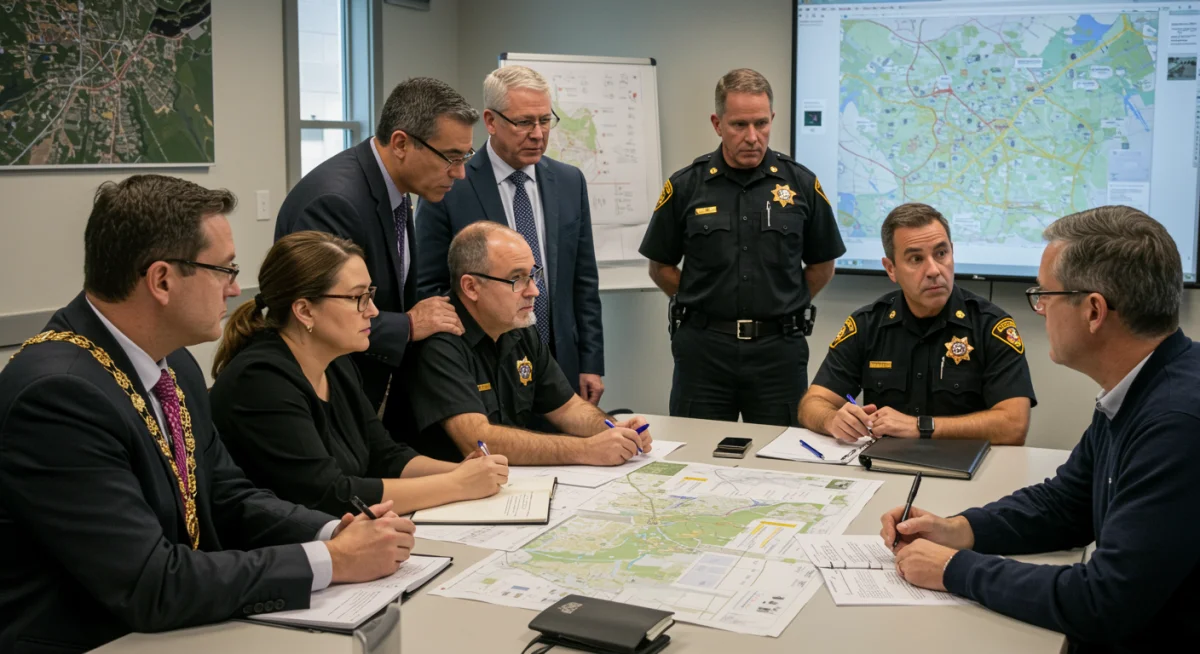
Under this new mandate, every U.S. local community is now required to develop and regularly update a “Local Resilience Blueprint” (LRB). This blueprint is more than just a traditional emergency plan; it’s a comprehensive document that integrates hazard mitigation, climate adaptation, social equity considerations, and economic recovery strategies. The LRB must be developed through a participatory process, involving local government, businesses, non-profits, faith-based organizations, and community members. Key components of the LRB include:
- Vulnerability Assessments: Detailed analysis of local risks and the specific vulnerabilities of different population groups.
- Resource Mapping: Identification of local assets, including human resources (volunteers, skilled trades), physical infrastructure (shelters, communication hubs), and financial resources.
- Community Engagement Strategies: Plans for ongoing public education, outreach, and mechanisms for citizen involvement in preparedness activities.
- Inter-organizational Agreements: Formalized partnerships between local entities for resource sharing and coordinated response.
Expanded “Community Emergency Response Team” (CERT) Training
To support the development and implementation of these blueprints, federal funding has been significantly increased for the Community Emergency Response Team (CERT) program. The CERT program trains ordinary citizens in basic disaster response skills, such as fire safety, light search and rescue, team organization, and disaster medical operations. The 2026 updates expand the curriculum to include modules on climate resilience, psychological first aid, and digital communication during crises. Furthermore, there’s a new emphasis on establishing CERT programs in underserved communities and providing training in multiple languages to ensure inclusivity.
Leadership Training for Local Officials
Beyond citizen-level training, new mandatory leadership training programs have been introduced for local elected officials and emergency managers. These programs focus on crisis leadership, inter-agency coordination, public communication during emergencies, and the ethical considerations of disaster response. The goal is to cultivate a cadre of highly capable local leaders who can effectively guide their communities through complex disaster scenarios.
Implications for Local Communities:
- Empowered Citizens: A more informed and trained populace becomes an invaluable asset in disaster response and recovery.
- Tailored Solutions: Community-driven planning ensures that preparedness strategies are relevant and effective for local contexts.
- Stronger Social Capital: Increased engagement fosters stronger community bonds and a greater sense of collective responsibility.
- Improved Local Leadership: Enhanced training for officials leads to more effective and coordinated local governance during crises.
Local governments should immediately initiate the process of developing or updating their Local Resilience Blueprints, ensuring broad community participation. Promoting and supporting CERT programs, as well as encouraging local officials to participate in the new leadership training, will be crucial for leveraging this update effectively. This shift towards mandatory, community-centric planning represents a powerful investment in the human element of disaster preparedness.
Update 4: Digital Infrastructure Hardening and Cybersecurity Protocols
In an increasingly digital world, the resilience of critical infrastructure extends beyond physical structures to encompass the networks and systems that underpin modern society. The fourth pivotal Disaster Preparedness Update for 2026 addresses this crucial aspect by mandating enhanced digital infrastructure hardening and implementing stricter cybersecurity protocols for local governments and critical service providers. This update acknowledges that cyberattacks can be as debilitating as physical disasters, disrupting essential services and hindering recovery efforts.
Mandatory Cybersecurity Audits and Compliance
Under the new policies, all U.S. local governmental entities, as well as private companies operating critical infrastructure (e.g., utilities, water treatment plants, transportation systems), are now required to undergo regular, independent cybersecurity audits. These audits will assess vulnerabilities, identify potential threats, and ensure compliance with a new set of federal cybersecurity standards specifically tailored for municipal and operational technology (OT) systems. Non-compliance can result in significant penalties and loss of federal funding, incentivizing adherence to these vital protocols.
Federal Support for Cyber Resilience
Recognizing that many local governments lack the resources and expertise for robust cybersecurity, the federal government has expanded its support programs. This includes:
- Cybersecurity Grants: Dedicated funding streams to help communities invest in advanced security technologies, secure cloud solutions, and train their IT staff.
- Threat Intelligence Sharing: Enhanced platforms for real-time sharing of cyber threat intelligence between federal agencies (like CISA – Cybersecurity and Infrastructure Security Agency) and local entities, allowing communities to proactively defend against emerging threats.
- Incident Response Teams: The establishment of regional federal cyber incident response teams available to assist local governments in the event of a cyberattack, providing expertise in containment, recovery, and forensic analysis.
Emphasis on Redundancy and Offline Capabilities
The new policies also place a strong emphasis on building redundancy into digital systems and developing robust offline capabilities for essential services. This includes requiring backup communication systems that do not rely solely on internet connectivity, ensuring that critical data is regularly backed up off-site, and establishing manual override procedures for automated systems. The goal is to ensure that even in the event of a widespread cyberattack or infrastructure failure, essential government functions and critical services can continue to operate.
Implications for Local Communities:
- Increased Protection: Stricter protocols and federal support significantly reduce the risk of debilitating cyberattacks on local systems.
- Operational Continuity: Redundancy and offline capabilities ensure that essential services can continue even if digital systems are compromised.
- Skilled Workforce: Funding for training helps local IT staff develop the expertise needed to manage modern cybersecurity challenges.
- Improved Trust: Stronger cybersecurity builds public trust in local government’s ability to protect sensitive data and provide reliable services.
Local IT departments and emergency managers must collaborate closely to implement these new cybersecurity mandates. Investing in training, conducting regular vulnerability assessments, and establishing clear incident response plans are no longer optional but essential components of comprehensive disaster preparedness. This update acknowledges the evolving threat landscape and provides the necessary framework to protect communities in the digital age.
Update 5: Standardized Post-Disaster Economic Recovery Frameworks
The final crucial Disaster Preparedness Update for U.S. local communities in 2026 focuses on establishing more standardized and efficient post-disaster economic recovery frameworks. While immediate response is vital, the long-term economic recovery of a community often faces significant hurdles, including bureaucratic delays, uncoordinated efforts, and a lack of clear pathways for business and infrastructure rebuilding. These new policies aim to streamline the recovery process, foster economic resilience, and ensure that communities can rebuild stronger and faster.
The “Accelerated Recovery Plan” (ARP) Initiative
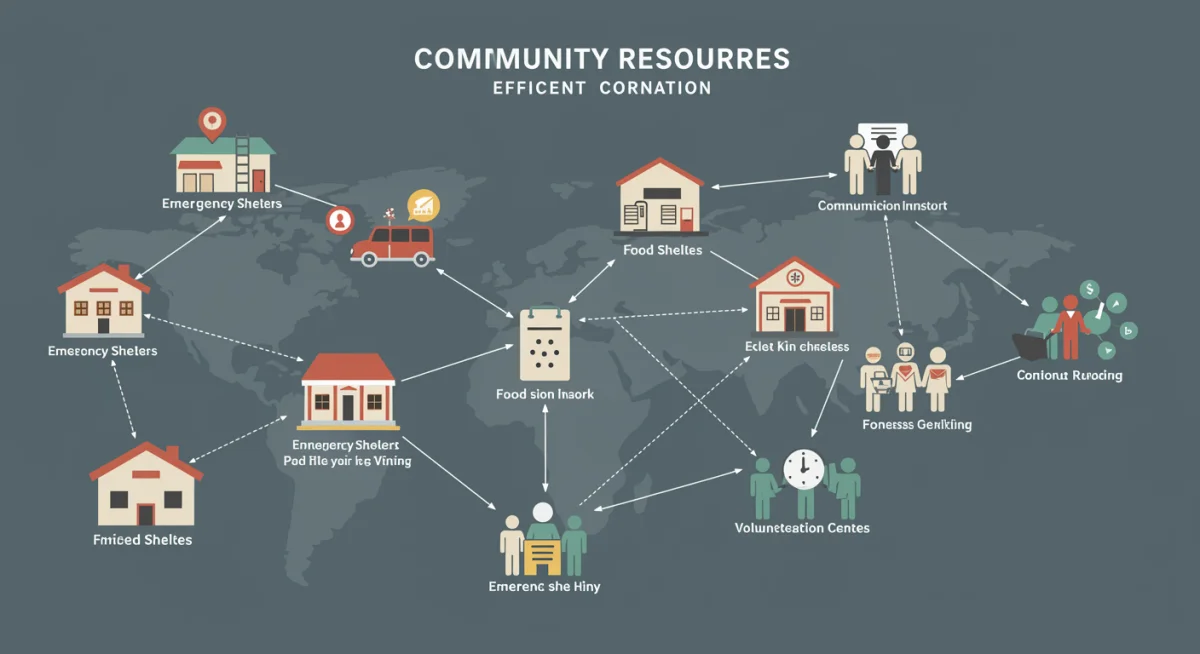
A key element of this update is the “Accelerated Recovery Plan” (ARP) initiative. Under the ARP, federal agencies (including FEMA, the Small Business Administration (SBA), and the Economic Development Administration (EDA)) will pre-develop recovery playbooks and resource guides for different types of disaster scenarios. Local communities will be required to integrate these federal templates into their own local recovery plans, customizing them with specific local economic data, business directories, and infrastructure rebuild priorities. The goal is to have a ready-to-implement plan that can be activated immediately after a disaster, bypassing lengthy planning phases.
Streamlined Access to Business Recovery Loans and Grants
The new policies introduce a more streamlined process for businesses to access post-disaster recovery loans and grants. This includes:
- Single Point of Contact: A designated federal liaison will serve as a single point of contact for local businesses seeking assistance, simplifying the application process across multiple agencies.
- Pre-approved Loan Programs: For communities with approved ARPs, certain small business loan programs will have pre-approved eligibility criteria, allowing for faster disbursement of funds.
- Technical Assistance for Business Resumption: Expanded federal programs will offer technical assistance to businesses on continuity planning, supply chain diversification, and rebuilding strategies, helping them to reopen and thrive post-disaster.
Focus on Resilient Infrastructure Rebuilding
The updated framework strongly emphasizes rebuilding infrastructure to be more resilient to future hazards. Federal recovery funds will prioritize projects that incorporate advanced building codes, climate-resistant materials, and sustainable design principles. There’s also an incentive structure for communities to “build back better” by investing in green infrastructure and smart technologies that reduce long-term risks and enhance community sustainability.
Implications for Local Communities:
- Faster Economic Rebound: Pre-planned recovery strategies and streamlined funding accelerate the return to economic normalcy.
- Business Continuity: Easier access to loans and technical support helps local businesses survive and recover.
- Sustainable Development: Emphasis on resilient rebuilding promotes long-term community safety and environmental sustainability.
- Reduced Bureaucracy: Streamlined processes cut through red tape, allowing communities to focus on tangible recovery efforts.
Local economic development offices, planning departments, and emergency managers must work together to integrate the new ARP guidelines into their existing recovery plans. Engaging with local businesses to understand their needs and informing them about the new federal support programs will be critical. This update represents a significant step towards ensuring that communities not only survive disasters but emerge from them economically stronger and more resilient.
Conclusion: A New Era of National Disaster Preparedness
The 2026 policy changes mark a pivotal moment in national disaster preparedness for U.S. local communities. These five key updates – enhanced funding, integrated risk assessment and early warning systems, mandatory community-based planning, digital infrastructure hardening, and standardized economic recovery frameworks – collectively represent a comprehensive and forward-thinking approach to emergency management. They underscore a federal commitment to empowering local communities, fostering a culture of shared responsibility, and building a nation that is not just prepared for disasters, but truly resilient in the face of evolving threats.
For local leaders, emergency managers, community organizations, and individual citizens, the call to action is clear: engage with these new policies, leverage the expanded resources, and integrate these updates into your local strategies. The success of these initiatives hinges on proactive participation, continuous learning, and a collaborative spirit. By embracing these changes, U.S. local communities have an unprecedented opportunity to strengthen their defenses, protect their residents, and ensure a swifter, more equitable recovery when disaster strikes. The path to a resilient future is paved with preparedness, and these Disaster Preparedness Updates provide the essential roadmap to get there.