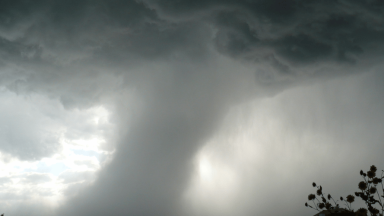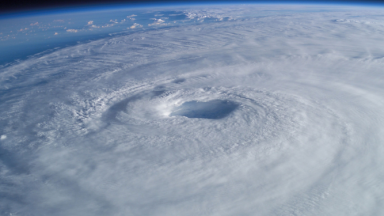
flash flood warnings affecting Midwest neighborhoods require immediate action: move to higher ground, follow National Weather Service and local alerts, avoid driving through floodwater, use planned evacuation routes and grab go-bags, and check on neighbors with special needs.
flash flood warnings affecting Midwest neighborhoods can flip a routine day into a scramble — do you know your fastest exit route and what to grab first? Read on for clear, practical steps residents can use now to lower risk and stay informed.
how warnings are issued and what they mean for your street
flash flood warnings affecting Midwest neighborhoods tell you danger is happening now. Know how warnings are created and what they mean for your street.
These alerts come from weather services and local emergency offices. Small creeks and low spots can flood fast, so street-level meaning matters.
Who issues warnings?
The National Weather Service and local emergency managers issue warnings after radar, rain gauges and spotter reports show rapid flooding. They confirm reports and predict how water will move through towns.
Watch vs warning vs advisory
Clear terms help you pick the right action.
- Watch: conditions are favorable for flash flooding. Stay ready to move.
- Warning: flooding is happening or will happen soon. Take immediate action to get to higher ground.
- Advisory: minor flooding or nuisance flooding may occur. Use caution on low streets.
At the street level, a warning can mean water fills gutters, blocks driveways and pushes into basements in minutes. Areas near creeks, underpasses or poor drains face the fastest rises.
How alerts reach you
Multiple channels make alerts more reliable.
- Wireless Emergency Alerts on your phone send urgent, location-based messages.
- NOAA Weather Radio broadcasts continuous updates when conditions change.
- Local sirens and emergency management social feeds give area-specific guidance.
- Neighborhood groups and apps may share quick, actionable tips and shelter locations.
If you receive a warning, move to higher ground immediately and avoid walking or driving through floodwater. Keep a go-bag ready and check on neighbors who may need help. Simple actions can prevent most injuries.
Understanding how warnings are issued and what they mean for your street helps you act fast and protect your family. Rely on official sources, know your low spots, and treat every flash flood warning affecting Midwest neighborhoods as an immediate safety alert.
assessing neighborhood risk: flood maps, drainage and local history
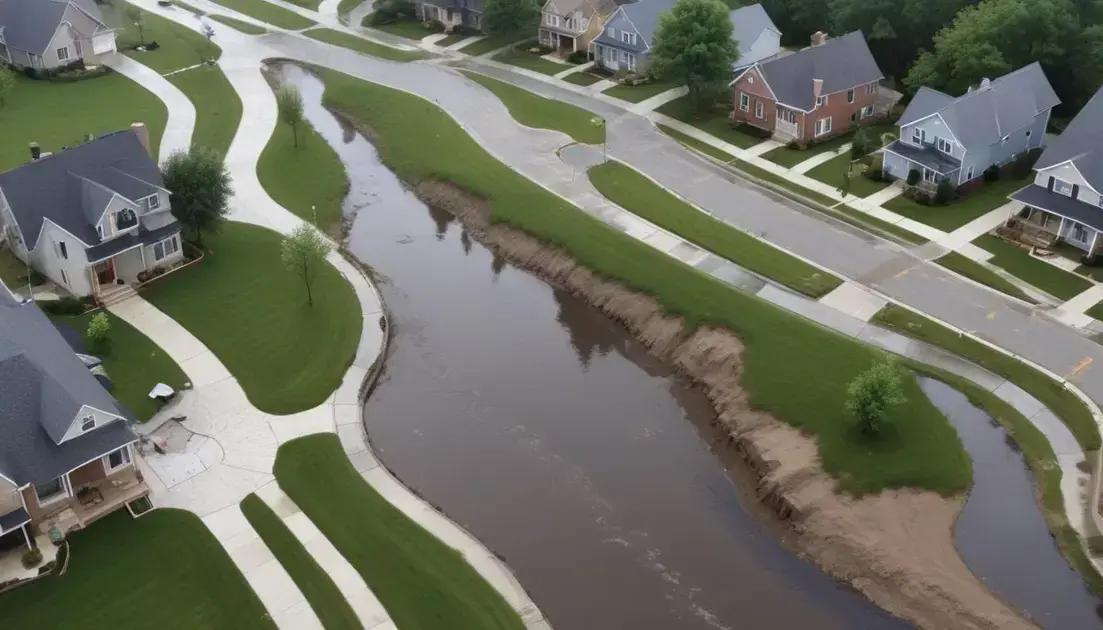
flash flood warnings affecting Midwest neighborhoods start with understanding local risk. Learn to read maps, check drainage, and use neighborhood history to judge danger.
Knowing these basics helps you spot trouble before water rises and act quickly to protect people and property.
reading and using flood maps
Flood maps show areas likely to flood and how deep water could get. Use public FEMA or local maps to find floodplains and low-lying streets.
- Locate your home on the map and note nearby creeks or ponds.
- Check base flood elevation to see if your basement is at risk.
- Watch for shaded zones that mark a high chance of fast flooding.
Maps may not show every small low spot, so combine them with on-the-ground checks. A street that looks dry on a map can still fill if drains back up.
drainage, gutters and street flow
Good drainage reduces how fast water pools on a street. Look at curb drains, culverts, and storm sewers when assessing risk.
- Clear leaves and debris from grates to keep water moving.
- Note blocked culverts or broken drains that slow flow toward houses.
- Steep driveways and paved yards can speed runoff into lower properties.
Small changes like a clogged drain or a failed culvert can turn a heavy rain into a dangerous flash flood. Regular local maintenance matters.
Also check yard grading. If your lawn slopes toward the house, water can collect near foundations. Sump pumps and simple landscaping fixes can help, but they do not replace awareness of street-level risks.
local history and community knowledge
Ask neighbors and check local records for past flood incidents. Stories, photos, and past emergency notices reveal patterns not always visible on maps.
- Talk to long-time residents about which streets flood first.
- Search local news archives for past flash flood dates and impacts.
- Collect photos or notes on where water reached houses or vehicles.
Community memory often points out underpasses, low corners, or poor drainage spots. Combine that knowledge with official sources for a fuller risk picture.
By layering flood maps, drainage checks, and local history, you get a clear view of where water will go in heavy rain. This helps you plan evacuation routes, protect valuables, and decide if sandbags or other measures are needed.
simple preparedness steps: evacuation routes, sandbags and essential kits
flash flood warnings affecting Midwest neighborhoods mean you may have little time to act. These quick, simple steps focus on evacuation routes, sandbags and essential kits to keep you safer.
Plan now so decisions feel clear when a warning arrives.
evacuation routes and meeting points
Identify at least two ways out of your block: one primary and one backup. Mark higher ground and main roads that avoid low underpasses.
- Drive each route once to time it and note choke points.
- Choose a safe meeting spot off the flood path, like a library or school on higher ground.
- Share routes with family and neighbors and save them on your phone.
Keep a paper copy of directions in your glove box and a simple map at home. If roads flood, do not try to drive through standing water.
sandbags: where and how to use them
Sandbags can slow water at doorways and low walls, but they must be placed correctly to help.
- Stack bags tightly in a staggered pattern, two high for small threats.
- Place plastic sheeting between the door and bags for added seal.
- Focus on low entrances, garage doors and basement access points.
Wear gloves and lift with your knees when moving bags. Know that sandbags redirect water but do not make a home flood-proof.
Keep a small supply on hand or know where your town distributes them. Fill and place bags early—doing it during heavy rain is risky.
essential kits: what to pack
Build a go-bag for each household member and one car kit. Aim for items that meet basic needs for 72 hours.
- Water (one gallon per person per day) and nonperishable food.
- Flashlight, extra batteries, first-aid kit and necessary medications.
- Copies of IDs, cash, phone chargers and a battery-powered radio.
Store kits in a grab-and-go spot. Update items seasonally and replace expired food or medicine.
Practice a quick pack drill with your family so everyone knows where kits are and what to grab. Check on pets and plan for their needs too.
By mapping evacuation routes, learning basic sandbag placement and keeping ready essential kits, you cut stress and act faster during flash flood warnings affecting Midwest neighborhoods. Small preparations can make a big difference when minutes count.
where to find reliable alerts, shelters and post-flood resources
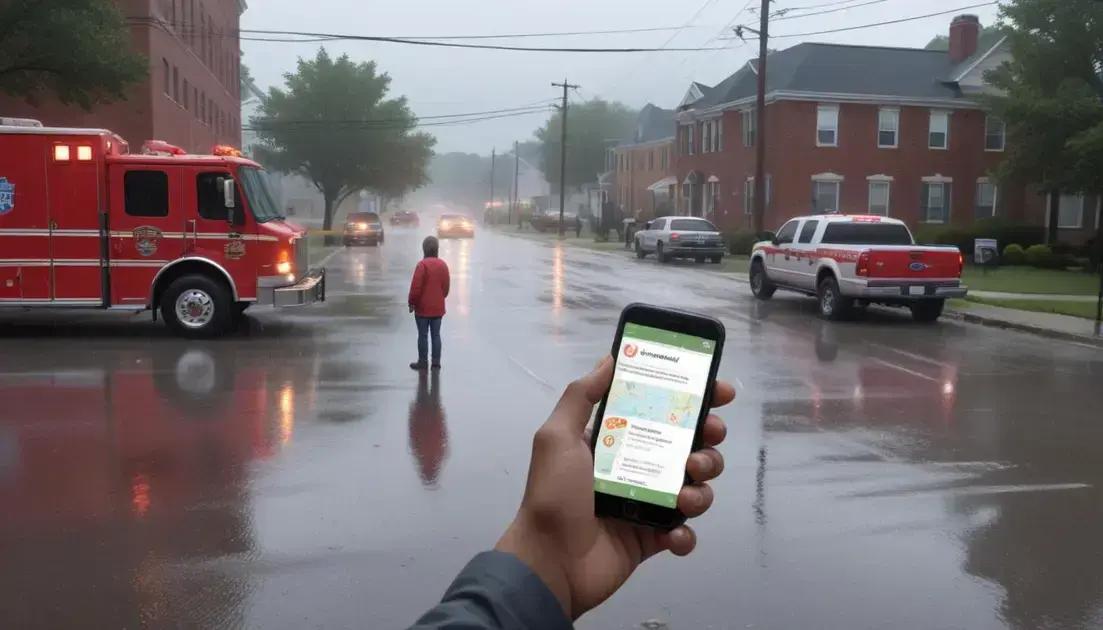
flash flood warnings affecting Midwest neighborhoods require quick access to clear, trusted information. Knowing where to get alerts, shelters and help saves time and keeps people safer.
Use official sources first, then local groups and neighbors for practical updates.
official alert sources
Start with agencies that monitor weather and hazards around the clock.
- NoAA National Weather Service for watches and warnings tied to your county.
- Wireless Emergency Alerts (WEA) on phones for location-based urgent notices.
- Local emergency management offices for shelter openings and road closures.
- NOAA Weather Radio for continuous, reliable updates when power or cell service fails.
Verify messages by checking two official channels before acting. Scammers sometimes copy alerts, so prioritize government and trusted media outlets.
community channels and neighborhood help
Local groups often share fast, street-level details that official feeds miss. Neighborhood apps, community Facebook groups and block captains can point out flooded intersections or assist residents with limited mobility.
- Join your neighborhood text chain or app for real-time tips.
- Follow local police and emergency pages for area-specific instructions.
- Sign up for municipal alert systems to get emails or texts tied to your address.
Make sure contact lists include people who can check on seniors or those without internet access. Simple calls or knocks can save lives when storms move quickly.
shelters, evacuation centers and special services
Shelter locations change by event. Officials announce safe centers and rules for entry. Some sites offer pet-friendly or accessible spaces.
- Check local emergency management for current shelter addresses and capacity.
- Ask about pet accommodations and medical support at each shelter.
- Bring ID, medication lists and basic supplies; shelters may limit what they can provide.
Plan your route to the nearest designated center and a secondary site. If you have pets or medical needs, confirm options before you leave.
After floods, use official recovery hubs for clean-up help, financial aid and safe debris disposal. FEMA, state emergency agencies and local nonprofits run programs for cleanup, temporary housing and grants.
post-flood resources and recovery steps
Document damage with photos and notes for insurance and aid applications. Do not enter flooded buildings until officials clear them.
- Contact your insurance company early and keep receipts for repairs and supplies.
- Use local government pages for guidance on mold, well water testing and safe debris removal.
- Find volunteer clean-up teams and vetted contractors through official recovery sites.
Store links and phone numbers in a single place so you can find them after a flood. Share verified resources with neighbors to speed community recovery.
Rely on official alerts first, then community channels for street-level info. Know where shelters open, what support is available, and how to access post-flood aid so your household can recover faster after flash flood warnings affecting Midwest neighborhoods.
Flash flood warnings affecting Midwest neighborhoods mean acting fast with simple plans. Know the alerts, map your risks, pack a basic go-bag, and pick two safe routes. Check on neighbors and use official sources so your family stays safe and recovers faster.
FAQ – flash flood warnings affecting Midwest neighborhoods
What does a flash flood warning mean for my neighborhood?
A flash flood warning means flooding is happening or will happen soon nearby. Move to higher ground and follow local emergency instructions immediately.
Can I drive through flooded streets?
Never drive through floodwater. Even shallow water can stall or sweep away a vehicle. Turn around and use a safe route on higher ground.
Are sandbags effective for protecting my home?
Sandbags can slow or redirect water at doorways and low walls if placed correctly and early, but they do not guarantee a dry home.
Where can I find reliable alerts and shelters?
Use the National Weather Service, local emergency management, NOAA Weather Radio and Wireless Emergency Alerts. Confirm shelter locations via official local channels.