independent theaters using sustainable venue design can cut energy and operating costs through LED lighting, HVAC tuning, reclaimed materials, acoustic improvements and small solar or insulation projects, using pilots and measured results to secure funding and community support.
independent theaters using sustainable venue design can trim bills and win community support with targeted changes. Curious which fixes matter most and how to fund them? Read on for clear, practical moves you can test.
Practical design upgrades that cut energy and costs
independent theaters using sustainable venue design can cut energy costs fast with smart, low-cost fixes. Small steps often pay back quickly and improve audience comfort.
These practical upgrades focus on lighting, HVAC, controls and simple retrofits you can test before bigger investments.
low-cost lighting and smart controls
Swap old bulbs for LED fixtures and add dimmers. LEDs use far less power and last longer, lowering maintenance and bills.
basic HVAC fixes that matter
Seal ducts, add programmable thermostats and zone control. Fixing drafts and tuning the system cuts wasted energy while keeping the house cozy.
- LED retrofits for auditorium and lobby lighting
- Occupancy sensors and timed controls for restrooms and backstage
- Programmable thermostats and basic HVAC maintenance
- Weatherstripping doors, sealing windows and insulating key gaps
Daylighting is another easy win: add skylights or larger windows where heat gain is small and glare can be controlled. Natural light reduces daytime electric use and makes the lobby friendlier.
Improve stage energy efficiency by switching to LED stage lights and dimming rigs. LEDs cut heat on stage, lowering cooling needs and making life easier for performers and crew.
materials and acoustic tweaks that save energy
Choose reclaimed wood and low-VOC insulation to boost performance and reduce embodied carbon. Acoustic panels can be made from recycled materials and also reduce the need for loud systems.
- Reclaimed or low-impact materials for seating and finishes
- Acoustic treatments that let you use smaller, more efficient sound systems
- Draft-proofing and door sweeps to stop heat loss
Some upgrades are simple and cheap, others need planning. Test sensors and lighting zones first, track energy use, then scale what works. Small pilot projects show results to staff and funders.
higher-impact retrofits to plan for
When budgets allow, add solar panels, rooftop insulation or a heat pump. These moves take more investment but cut bills for years.
- Solar PV arrays sized to match daytime loads
- Air-source heat pumps for efficient heating and cooling
- Green roof or added roof insulation to reduce seasonal heating and cooling
Start with the low-cost items, measure savings, and use clear data to win grants or partner funding. With small steps and smart planning, independent theaters using sustainable venue design can lower costs, improve comfort, and set a strong example for their communities.
Materials, acoustics and lighting: balancing comfort and green goals
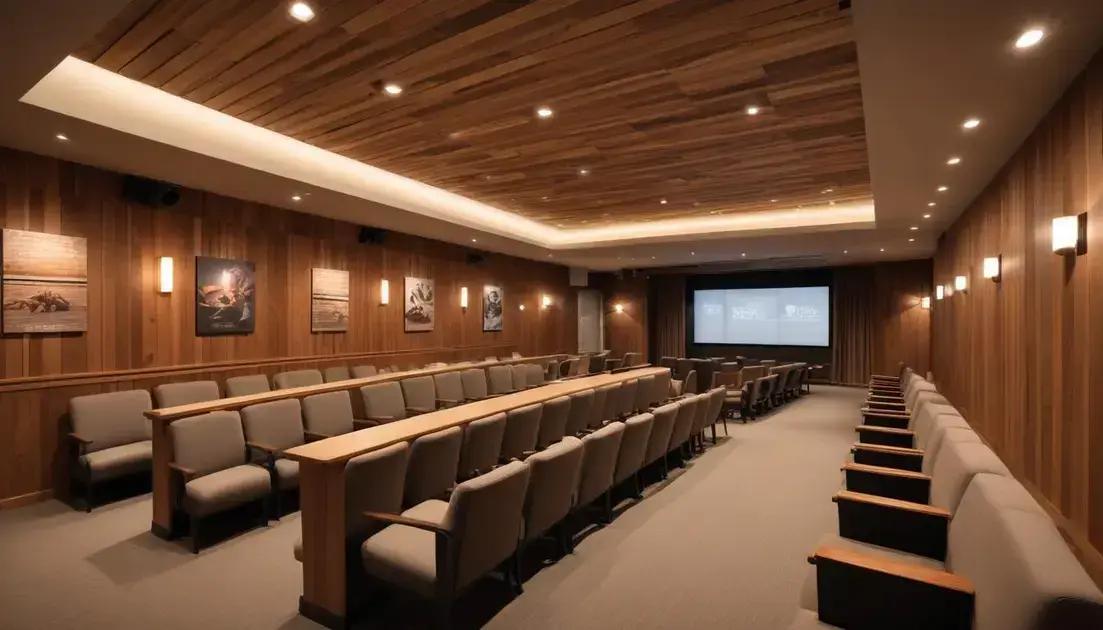
independent theaters using sustainable venue design can keep audiences comfortable while cutting environmental impact through smart material, acoustic, and lighting choices. Small choices add up to big benefits.
This section explains practical options you can apply now, from reclaimed finishes to acoustic panels and layered lighting that saves energy.
choose low-impact materials
Pick reclaimed wood, recycled fabrics, and low-VOC paints to lower embodied carbon and improve indoor air. These options often cost less over time and give the venue a unique look.
acoustics that reduce energy and volume
Good acoustics let you use smaller speakers and run sound systems at lower levels. Soft surfaces and targeted panels cut echo and improve speech clarity for the audience.
- Reclaimed wood or bamboo for finishes and seating
- Recycled-fiber acoustic panels for walls and ceilings
- Low-VOC paints and formaldehyde-free insulation
- Movable acoustic curtains or banners for flexible control
Lighting choices also affect comfort and energy. Use warm, dimmable LED fixtures to lower power draw and reduce heat on stage. Layer ambient, task, and accent lighting so each area uses only the light it needs.
Daylight works well in lobbies and rehearsal rooms. Add shades or diffusers to control glare and prevent heat gain where needed. Daylight reduces daytime electricity use and improves visitor mood.
integrated design strategies
Think of materials, acoustics and lighting together. A wooden ceiling can improve sound and look warm under LED uplighting. Acoustic panels can double as decorative elements and thermal buffers.
- Coordinate finish colors with lighting temperature for a cohesive feel
- Place acoustic panels to target hard-surface reflections near the stage
- Use dimmers and scene controls to match mood and cut energy
Test changes in small areas before a full rollout. Measure comfort, sound clarity, and energy use to justify further upgrades. With careful choices, independent theaters using sustainable venue design can create a cozy, clear-sounding space that costs less to run and supports long-term sustainability.
Funding, partnerships and community steps to finance changes
independent theaters using sustainable venue design can often fund changes without waiting for large grants. Small wins, clear data and local partners unlock money and in‑kind help.
This section lists practical funding paths and community steps you can take now to pay for retrofits and upgrades.
seek local grants, rebates and incentives
Begin with an energy audit to identify simple savings. Many utilities and cities offer rebates for LEDs, insulation, and HVAC upgrades.
Historic theaters may qualify for preservation funds or tax credits. Apply early and tailor each application to the specific upgrade.
crowdfunding, memberships and earned revenue
Tell a clear story that links sustainability to audience comfort and cost savings. Crowdfunding works when donors see impact and receive meaningful perks.
- Offer tiered rewards: backstage tours, name plaques, exclusive previews
- Run short, focused campaigns tied to a single upgrade (e.g., new LED rig)
- Use memberships to fund ongoing maintenance and small pilot projects
Mix earned income ideas with fundraising. Host benefit shows or workshops about green design and charge modest fees to raise both money and awareness.
Partner with local businesses for sponsorships. A cafe or brewery might underwrite lobby improvements in exchange for visibility and community goodwill.
build partnerships with schools, trade suppliers and nonprofits
Universities and trade programs can provide pro bono labor, student projects, or technical expertise. Suppliers may offer discounts or donated materials for publicity.
- Contact architecture or engineering departments for feasibility studies
- Ask suppliers about demo materials, surplus inventory, or pilot pricing
- Collaborate with environmental nonprofits for grant-writing support
Volunteer days reduce labor costs and strengthen community ties. Clear task lists and short shifts keep volunteers engaged and productive.
pilot projects, measurement and storytelling
Run a small pilot—swap lighting in one zone or add weatherstripping—to gather data. Measure energy use before and after to show actual savings.
- Document costs, timelines and measured savings for each pilot
- Create short reports and visuals to share with funders and partners
- Use measured results to apply for larger grants or to attract sponsors
Start small, prove results, and scale. With clear metrics, engaging stories, and local partners, independent theaters using sustainable venue design can finance meaningful upgrades without waiting for a big ticket donor.
Real examples and a quick retrofit checklist for independent venues
independent theaters using sustainable venue design see real gains when small projects are done well. Real examples make it easy to copy what works.
Below are short case studies and a compact checklist you can use on your next retrofit.
real examples from community venues
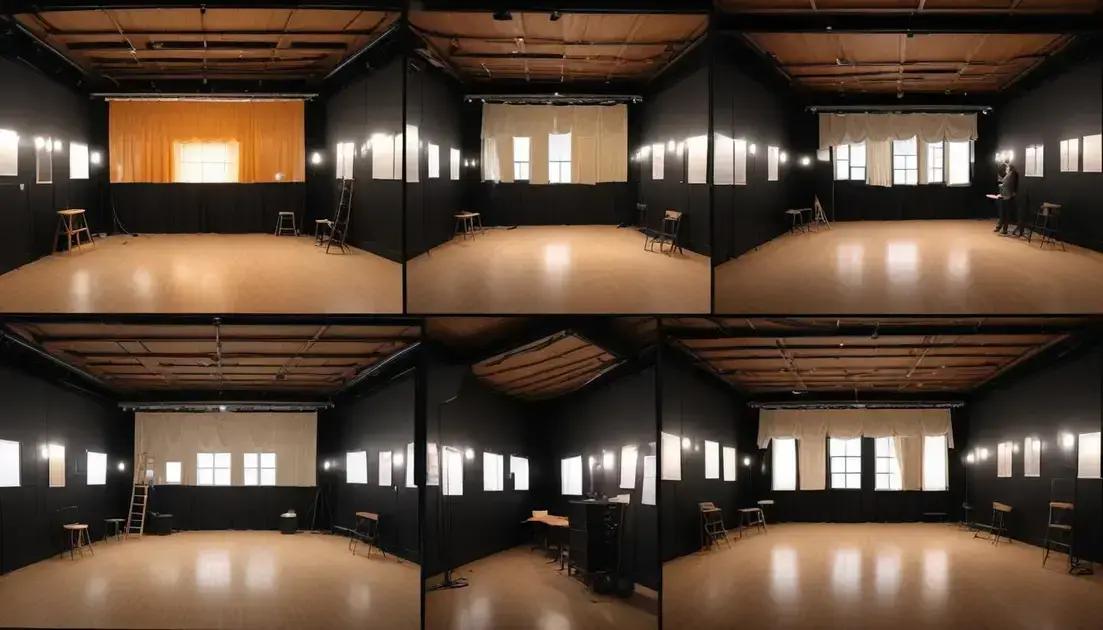
A neighborhood black box swapped to LED stage lights and added acoustic curtains. The change cut lighting energy by about 60% and made rehearsals quieter.
A historic cinema sealed attic gaps, upgraded insulation and tuned its furnace. Heating demand fell nearly 20%, and the house stayed more stable in winter.
A small playhouse ran a micro‑solar pilot on its roof. Panels covered daytime loads for the lobby and office, lowering the utility bill and attracting a local sponsor.
what these pilots proved
Start small, measure, and share results. Simple pilots build trust and unlock funds for larger work.
- Test one system at a time to isolate savings.
- Collect before-and-after energy data for clear proof.
- Show visuals and short reports to board members and funders.
Each example used low-cost fixes first, then scaled. Staff time and clear metrics mattered as much as the technology. Community stories helped fund the next step.
quick retrofit checklist for independent venues
- Run a basic energy audit or ask a volunteer pro for a survey.
- Replace bulbs with LED and add dimmers or scene controls.
- Seal doors, add weatherstripping, and fix visible drafts.
- Install occupancy sensors in restrooms and backrooms.
- Pilot acoustic curtains or recycled-fiber panels near the stage.
- Track energy use for 30–90 days to measure impact.
- Document costs and savings for grant or sponsor pitches.
- Plan a phased upgrade list: short-term fixes, medium projects, long-term investments.
Use the checklist as a workbook: pick two quick wins, test them, then show local partners the results. These steps turn ideas into real savings and stronger community support.
Small, steady upgrades save energy and money while making the space more comfortable. Start with quick wins, measure results, and use them to attract partners and funding.
FAQ – Sustainable upgrades for independent theaters
How quickly will LED retrofits pay back the cost?
LED upgrades often pay back within 1–3 years through lower energy use and reduced maintenance, depending on hours of operation and local electricity rates.
Where can independent theaters find funding for retrofits?
Check utility rebates, local and preservation grants, crowdfunding, business sponsorships, and partnerships with schools or nonprofits for in‑kind support.
Will acoustic treatments affect energy use?
Yes. Better acoustics let you use smaller speakers and lower volume, which can reduce sound system power and lower cooling needs from less stage heat.
How should we measure success after a pilot project?
Record baseline energy and comfort data, track performance for 30–90 days after changes, document costs and savings, and share simple charts with stakeholders.