The Latest in Local Marketing: 3 Digital Strategies Delivering 20% Customer Growth for Small Businesses in 2026
Are you a small business owner looking to not just survive, but thrive and significantly expand your customer base in the coming years? The landscape of local marketing is constantly evolving, and staying ahead of the curve is crucial. In 2026, simply having a website isn’t enough. To achieve a remarkable 20% customer growth, you need innovative, data-driven, and highly localized digital strategies. This comprehensive guide will delve into three pivotal local marketing strategies that are set to redefine success for small businesses, offering practical solutions and recent updates to help you implement them effectively.
The digital realm has democratized marketing, putting powerful tools within reach of small enterprises. However, this accessibility also means increased competition. To stand out, your local marketing efforts must be precise, personalized, and persistent. We’re not just talking about incremental gains; we’re talking about strategies designed for substantial, measurable growth. Let’s explore how these three core pillars can transform your local presence and drive unprecedented customer acquisition.
Understanding the Evolving Local Customer Journey in 2026
Before we dive into specific local marketing strategies, it’s vital to understand how local customers find and choose businesses today. The journey is rarely linear. It often starts with a search query on a mobile device, followed by checking online reviews, comparing local businesses, engaging with social media content, and finally, visiting the physical location or making an online purchase. Each touchpoint is an opportunity for your business to shine or to be overlooked. In 2026, this journey is even more fragmented and influenced by artificial intelligence and hyper-personalization.
Customers expect instant gratification, relevant information, and seamless experiences. They trust peer recommendations more than traditional advertising. This means your online reputation, local SEO presence, and ability to engage with your community digitally are paramount. The goal of these local marketing strategies is to optimize every stage of this complex journey, ensuring your small business is not only visible but also compelling and trustworthy.
Strategy 1: Hyper-Localized SEO & Google Business Profile Optimization for Maximum Visibility
In the world of local marketing, if you’re not visible, you don’t exist. Hyper-localized SEO, particularly through an expertly optimized Google Business Profile (GBP), is the bedrock of attracting local customers. This strategy isn’t new, but its nuances and importance are constantly evolving, demanding continuous attention and adaptation.
The Power of an Optimized Google Business Profile
Your Google Business Profile is often the first interaction a potential customer has with your business. It’s your digital storefront on the world’s most popular search engine. A fully optimized GBP can significantly impact your local search rankings and drive direct customer engagement.
Key Optimization Tactics for 2026:
- Complete and Accurate Information: Ensure every field is filled out – name, address, phone number, website, hours of operation, and service areas. Inaccurate information is a major turn-off for potential customers and can lead to lost business.
- High-Quality Photos and Videos: Visuals are critical. Upload professional, appealing photos of your storefront, interior, products, and team. Google favors profiles with rich media. Consider short video tours to showcase your ambiance or unique offerings.
- Detailed Service/Product Descriptions: Don’t just list your services; describe them in detail, using local keywords. This helps Google understand what you offer and matches your business with relevant searches.
- Consistent Business Hours & Special Hours: Always keep your hours updated, especially for holidays or special events. Google’s algorithm values accuracy, and customers rely on it.
- Utilize Google Posts: Regular Google Posts allow you to share updates, offers, events, and new products directly on your GBP. This keeps your profile fresh and engaging, signaling to Google that your business is active.
- Q&A Section Engagement: Monitor and answer questions in your GBP’s Q&A section. This demonstrates responsiveness and provides valuable information to other potential customers. You can even pre-populate common questions and answers.
- Service Area Business (SAB) Optimization: If you’re a service-area business without a physical storefront, ensure your service areas are clearly defined, and consider using a service-area specific address if applicable, while hiding your home address for privacy.
Advanced Local SEO Techniques for 2026:
Beyond GBP, several other local SEO factors contribute to higher rankings and greater visibility.
Local Keyword Research:
Identify keywords that local customers use. This includes ‘near me’ searches, city-specific terms (e.g., ‘best coffee shop [your city]’), and neighborhood-specific searches. Integrate these naturally into your website content, GBP descriptions, and online listings.
Building Local Citations and Directories:
Ensure your business is listed consistently across various online directories (Yelp, Yellow Pages, local chambers of commerce, industry-specific directories). Consistency in your NAP (Name, Address, Phone number) is crucial for Google to trust your business information.
Optimizing for Voice Search:
With the rise of smart speakers and voice assistants, optimizing for voice search is non-negotiable. Voice searches tend to be more conversational and question-based (e.g., ‘Where can I find a vegan restaurant near me that’s open now?’). Structure your content to answer these questions directly.
Mobile-First Indexing:
Google predominantly uses the mobile version of your website for indexing and ranking. Ensure your website is fully responsive, loads quickly on mobile devices, and offers an excellent user experience. This is a fundamental aspect of effective local marketing strategies.
Schema Markup for Local Businesses:
Implement local business schema markup on your website. This structured data helps search engines understand crucial information about your business, such as its type, address, contact details, and reviews, leading to richer search results (rich snippets).
Measuring Success in Local SEO:
Track your GBP insights for views, searches, website clicks, call clicks, and direction requests. Monitor your local search rankings for key terms. Use Google Analytics to understand traffic from local searches and user behavior on your website. These metrics provide invaluable insights into the effectiveness of your local marketing efforts.
Strategy 2: Cultivating a Stellar Online Reputation and Proactive Review Management
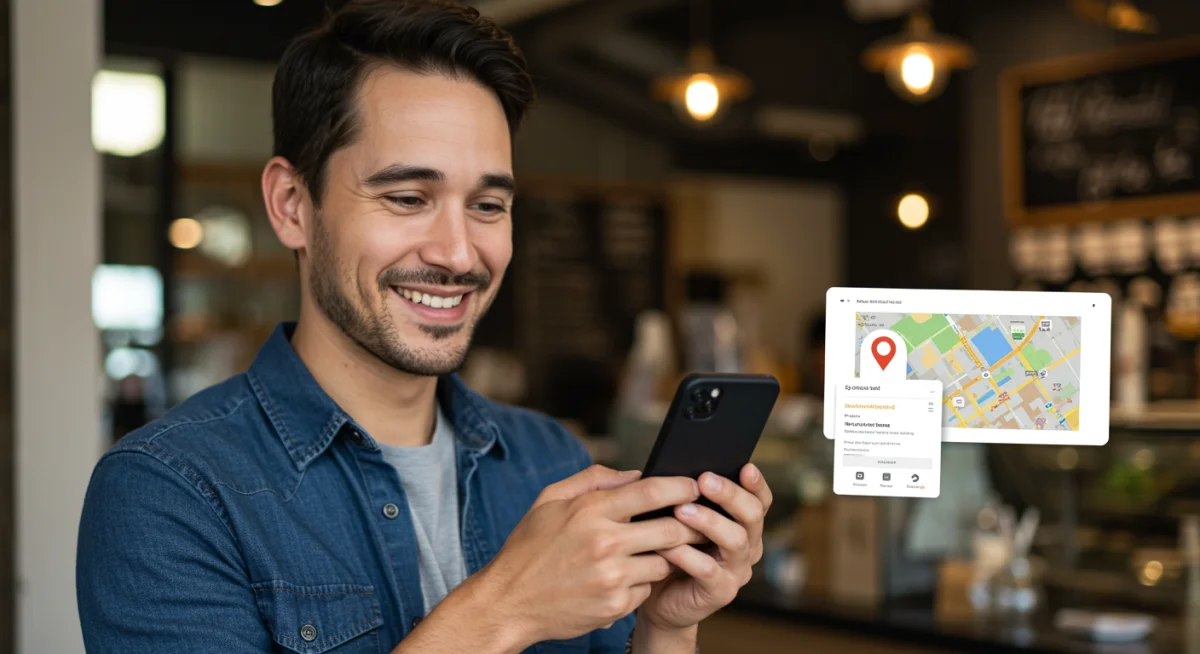
In 2026, your online reputation is your most valuable asset in local marketing. Customers rely heavily on reviews and testimonials before making purchasing decisions. A strong, positive online presence can be the difference between a new customer and a lost opportunity. Aiming for 20% customer growth means actively managing and leveraging your online reputation.
The Critical Role of Online Reviews
Reviews build trust, provide social proof, and influence search engine rankings. Businesses with more positive reviews tend to appear higher in local search results and attract more clicks. Conversely, a lack of reviews or a string of negative ones can severely damage your credibility.
Implementing a Proactive Review Strategy:
- Systematic Solicitation: Don’t wait for reviews; ask for them. Implement a system to politely request reviews from satisfied customers. This could be via email after a purchase, a QR code at your physical location, or a direct link on your website.
- Diversify Review Platforms: While Google Reviews are paramount, encourage reviews on other relevant platforms like Yelp, Facebook, TripAdvisor (for hospitality), industry-specific sites, and even your own website. This builds a robust and credible online footprint.
- Simplify the Process: Make it as easy as possible for customers to leave a review. Provide direct links to your review pages. The fewer steps involved, the more likely customers are to follow through.
- Train Your Staff: Educate your team on the importance of reviews and empower them to ask for feedback and direct customers to review platforms. A positive in-person experience often translates into a positive online review.
Responding to Reviews – Good and Bad:
Your response to reviews is almost as important as the reviews themselves. It shows you’re engaged, care about customer feedback, and are committed to excellent service.
Best Practices for Responses:
- Respond to All Reviews: Acknowledge every review, positive or negative. For positive reviews, thank the customer and reinforce what they enjoyed.
- Address Negative Feedback Promptly and Professionally: Don’t get defensive. Apologize for the negative experience, offer a solution, and invite them to discuss further offline. This demonstrates a commitment to customer satisfaction and can turn a negative into a positive.
- Show Your Personality: While professional, let your brand’s voice shine through in your responses. This makes your business feel more human and approachable.
- Use Keywords Strategically: When responding, you can subtly include relevant keywords, which can further boost your local SEO.
Leveraging User-Generated Content (UGC):
Reviews are just one form of UGC. Encourage customers to share photos, videos, and stories about their experiences with your business on social media. Repost and engage with this content. UGC is incredibly authentic and persuasive, acting as powerful social proof in your local marketing strategies.
Reputation Monitoring Tools:
Utilize tools that help you monitor new mentions and reviews across various platforms. This allows for quick responses and ensures you don’t miss any feedback. Many local SEO tools offer reputation management features.
By actively managing your online reputation, you’re not just reacting to feedback; you’re proactively shaping how your community perceives your business, building trust, and fostering loyalty – all essential for achieving that 20% customer growth target.
Strategy 3: Community-Centric Social Media Engagement & Local Partnerships
Social media is no longer just for global brands. For small businesses, it’s a powerful tool for community building, direct engagement, and driving local foot traffic. In 2026, effective local marketing strategies on social media are about being an active, valued member of your local community, both online and offline.
Building a Local Social Media Presence:
Focus your efforts on platforms where your target local audience spends their time. Facebook, Instagram, and TikTok are often prime choices for visual businesses, while LinkedIn can be effective for B2B or professional services.
Content Strategies for Local Engagement:
- Showcase Your Local Flavor: Share content that highlights your connection to the community. Feature local events, landmarks, or even local customers (with permission).
- Behind-the-Scenes: Give your audience a glimpse into your daily operations, your team, and the personality behind your brand. This builds connection and authenticity.
- Run Local Contests and Giveaways: These are excellent for boosting engagement and attracting new local followers. Partner with other local businesses for even greater reach.
- Geo-Targeted Ads: Utilize social media’s powerful geo-targeting capabilities to run highly specific ad campaigns that reach potential customers within a defined radius of your business.
- Engage with Local Hashtags: Use relevant local hashtags (e.g., #YourCityEats, #ShopLocal[YourTown]) to increase discoverability among local users.
- Live Streams and Stories: Go live from your store, host Q&As, or share daily updates through stories. This creates a sense of immediacy and direct interaction with your local audience.
Fostering Community Interaction:
Social media isn’t just for broadcasting; it’s for conversation. Actively engage with comments, messages, and mentions. Ask questions, solicit feedback, and participate in local online groups.
Joining Local Groups and Pages:
Become an active, helpful member of local Facebook groups, neighborhood forums, and community pages. Share valuable insights, answer questions, and subtly promote your business where appropriate and permitted. Avoid overt spamming; aim to be a resource first.
Strategic Local Partnerships:
Collaborating with other local businesses is a win-win strategy. It expands your reach, introduces you to new customer segments, and strengthens the local economy. These partnerships are a cornerstone of effective local marketing strategies.
Types of Partnerships:
- Cross-Promotions: Partner with a complementary business for joint promotions, discounts, or loyalty programs. For example, a local coffee shop and a bookstore could offer a ‘coffee and a read’ package.
- Joint Events: Co-host workshops, charity events, or seasonal celebrations. This pools resources and marketing efforts.
- Referral Programs: Establish formal referral agreements with non-competing local businesses.
- Local Influencers/Micro-Influencers: Collaborate with local personalities or micro-influencers who have a dedicated local following. Their endorsement can be incredibly powerful.
- Sponsorships: Sponsor local sports teams, school events, or community festivals. This builds brand awareness and goodwill within the community.

By actively engaging with your local community through social media and strategic partnerships, you transform your business from a transactional entity into a valued community hub, significantly boosting brand loyalty and attracting new customers organically. These local marketing strategies create a ripple effect of positive word-of-mouth and sustained growth.
Integrating These Strategies for Maximum Impact
The true power of these local marketing strategies lies in their integration. They are not isolated tactics but interconnected pillars that support a robust and comprehensive local digital presence. For instance, positive reviews (Strategy 2) boost your Google Business Profile ranking (Strategy 1), while social media engagement (Strategy 3) can drive more reviews and local search activity.
Creating a Cohesive Local Marketing Plan:
- Audit Your Current Presence: Start by assessing your existing local SEO, online reputation, and social media activity. Identify strengths, weaknesses, and opportunities.
- Set Clear Goals: Define what 20% customer growth looks like for your specific business. Break it down into measurable KPIs (e.g., number of new GBP calls, website visits from local search, social media engagement rates, number of new reviews).
- Allocate Resources: Determine your budget, time, and human resources for implementing these strategies. Consistency is key, so plan for ongoing effort.
- Implement in Phases: You don’t have to do everything at once. Start with the most impactful changes, such as fully optimizing your GBP, and then gradually expand your efforts.
- Monitor and Adapt: Local marketing is dynamic. Continuously monitor your performance metrics, gather feedback, and be prepared to adapt your strategies based on what’s working and what’s not.
The Role of Data Analytics:
Leverage data from Google Analytics, Google Business Profile insights, social media analytics, and customer relationship management (CRM) systems. This data will provide invaluable insights into customer behavior, the effectiveness of your campaigns, and areas for improvement. Data-driven decisions are crucial for achieving and sustaining that 20% customer growth.
Personalization and Customer Experience:
At the heart of all these local marketing strategies is the customer. Personalize your communications, tailor your offers, and consistently deliver an exceptional customer experience. A happy customer is your best marketer, driving both positive reviews and word-of-mouth referrals.
Overcoming Challenges in Local Marketing
While the potential for growth is immense, small businesses often face challenges in implementing robust local marketing strategies. These can include limited budgets, lack of time, and a perceived lack of expertise.
- Budget Constraints: Focus on free or low-cost tools first. Google Business Profile is free, and social media platforms offer organic reach. Prioritize high-impact activities.
- Time Limitations: Automate where possible (e.g., social media scheduling). Delegate tasks to team members or consider outsourcing specific aspects like review management if feasible.
- Lack of Expertise: Invest in learning. There are countless free resources, webinars, and online courses available. Don’t be afraid to experiment and learn from your results.
- Staying Updated: The digital marketing landscape changes rapidly. Dedicate time each month to read industry blogs, attend webinars, and stay informed about algorithm updates and new platform features.
The Future of Local Marketing: What to Expect Beyond 2026
Looking ahead, local marketing will become even more integrated with AI, augmented reality (AR), and hyper-personalization. Expect to see:
- Advanced AI-Powered Personalization: AI will further refine the ability to deliver highly personalized offers and content to local customers based on their past behavior, preferences, and real-time location.
- Augmented Reality Experiences: AR will allow customers to virtually ‘try on’ products or ‘see’ how furniture looks in their home, enhancing the local shopping experience even before they step into a store.
- Hyper-Local Micro-Targeting: Ad platforms will offer even finer-grained targeting options, allowing businesses to reach customers within blocks of their location with incredible precision.
- Enhanced Conversational AI: Chatbots and virtual assistants will become more sophisticated in handling local customer inquiries, booking appointments, and providing instant support.
- Sustainability and Ethical Consumerism: Local businesses that highlight their sustainable practices and ethical sourcing will resonate more strongly with environmentally conscious local consumers.
By laying a strong foundation with the local marketing strategies outlined for 2026, your small business will be well-positioned to adapt and thrive amidst these future innovations.
Conclusion: Your Path to 20% Customer Growth
Achieving a 20% increase in customer growth for your small business in 2026 is an ambitious but entirely attainable goal. By meticulously implementing these three core local marketing strategies – hyper-localized SEO and Google Business Profile optimization, cultivating a stellar online reputation, and engaging in community-centric social media and local partnerships – you can build a formidable local presence.
Remember, consistency, authenticity, and a customer-first approach are your guiding principles. Embrace the digital tools available, actively engage with your community, and continuously monitor your performance. The future of local commerce belongs to those who understand and adapt to the evolving digital customer journey. Start implementing these practical solutions today, and watch your small business flourish, connecting with more local customers than ever before and achieving sustained, remarkable growth.