
school board decisions on classroom funding priorities determine which programs, staff, materials, and supports receive resources by balancing legal mandates, revenue sources, student needs, and equity goals; tracking budgets, attending hearings, and presenting focused data lets communities influence outcomes.
school board decisions on classroom funding priorities shape which programs survive and which classrooms get supplies. Curious how choices are made, who benefits, and where your voice fits? This piece highlights real examples and simple steps to follow and influence those budget choices.
how school boards set classroom funding priorities
school board decisions on classroom funding priorities start with proposals and end with votes that shape daily learning. Knowing the steps makes it easier to follow where money goes.
This section explains who sends ideas, what rules guide choices, and which trade-offs often appear in budgets.
sources of budget proposals
Ideas come from several places. District finance teams, school principals, and teachers submit needs. Parents and community groups also raise requests during hearings.
- District finance office prepares the draft based on revenue and mandates.
- Principals bring school-level needs like staffing or classroom supplies.
- Teachers request program materials, training, or special resources.
- Community members propose priorities through public comment and surveys.
Each source frames needs differently. Administrators view totals and compliance. Teachers focus on classroom impact. The board must balance these views.
decision criteria and constraints
Boards use clear criteria to rank requests. Legal requirements and state funding rules are first. Next come enrollment changes, program results, and equity goals.
- Legal and contractual obligations (salaries, special education).
- Student needs and evidence of program effectiveness.
- Long-term sustainability and one-time versus recurring costs.
- Equity considerations to support underserved students.
Money is limited, so boards compare short-term gains with long-term effects. They often favor items that help many students or meet required services.
Public hearings and budget workshops give citizens a chance to highlight local priorities. Clear data and real examples make public input more persuasive.
typical trade-offs boards face
Common choices force trade-offs. Should funds go to more teachers, new textbooks, or safer buildings? Each option helps in different ways.
- Staffing vs. materials: hiring a teacher costs more but affects class size.
- Programs vs. infrastructure: new programs need ongoing funds; repairs are one-time but urgent.
- Equity investments vs. universal upgrades: targeted support helps specific students; broad upgrades help everyone.
- Short-term fixes vs. long-term planning: quick fixes can delay needed capital spending.
Understanding these trade-offs helps community members make targeted requests. Showing how a change affects students, costs, and outcomes increases support.
Boards also face political and timing pressures. Election years, unexpected expenses, or state funding shifts can change priorities mid-cycle. Tracking meeting agendas and budget summaries keeps citizens informed.
Simple actions like attending a hearing, submitting written comments, or meeting a board member can influence outcomes. Clear, respectful input tied to student impact tends to be most effective.
school board decisions on classroom funding priorities shape which programs thrive and which needs wait. By watching proposals, asking about criteria, and offering focused input, community members can help ensure funds match student needs.
impact on students and teachers: who gains, who loses
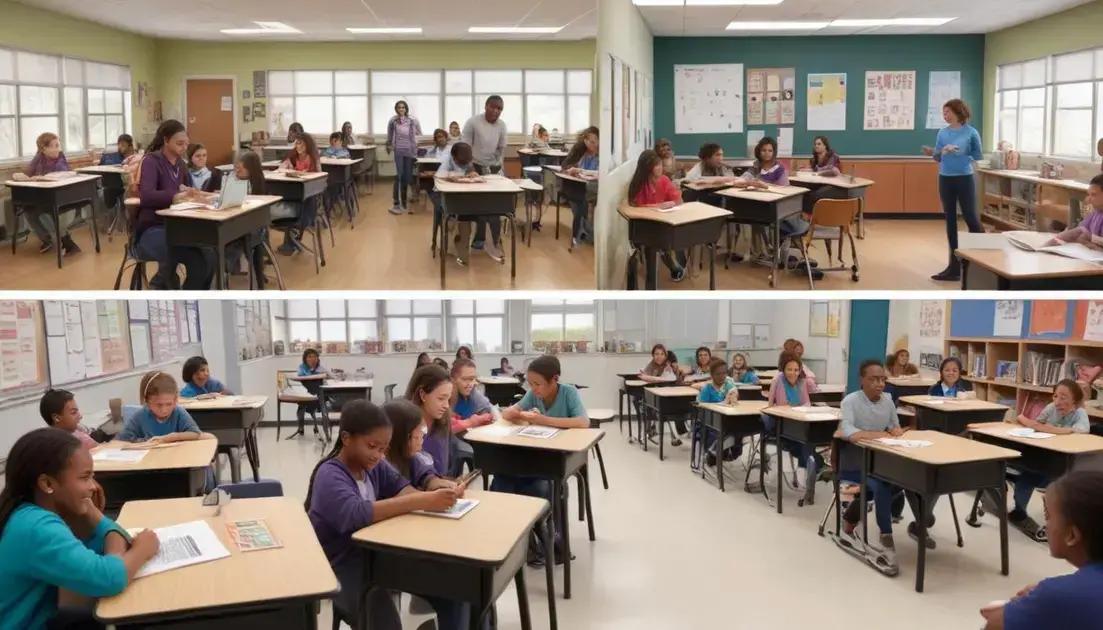
school board decisions on classroom funding priorities shape which students get extra help and which teachers receive support. Small shifts in budgets can change daily class life.
This section looks at who benefits and who may lose out when money is moved around.
who gains from targeted investments
When funds target need, schools can hire aides, run tutoring, or buy updated materials. These moves often help students who fall behind.
- Smaller class sizes that let teachers give more attention.
- Intervention programs for students who need extra help.
- Professional development that improves teaching quality.
- Technology and materials that support modern lessons.
Such investments can lift test scores and classroom engagement. They often show quick wins for students and boost teacher confidence.
Teachers in well-funded schools report less stress and more time for planning. That matters for day-to-day learning.
who loses when funding shifts
Cuts or reassignments can hurt electives, arts, or counseling services. Students who rely on those supports feel the impact first.
- Reduced access to music, art, or advanced classes.
- Fewer counselors and support staff for students in crisis.
- Larger class sizes that strain teacher time.
- Outdated textbooks and limited classroom supplies.
Even small cuts can lead to lower morale and higher teacher turnover. That affects continuity for students and weakens school culture.
Decisions that seem neutral on paper can widen gaps. For example, universal upgrades may help many, but targeted supports often help the most vulnerable students.
Parents and staff who know the data and the real effects can push for smarter trade-offs. Clear examples of student impact make a stronger case than general requests.
school board decisions on classroom funding priorities end up rewarding some programs and sidelining others. Watching the trade-offs, asking clear questions, and sharing focused examples helps protect both students and teachers when budgets change.
how communities and parents can influence funding decisions
school board decisions on classroom funding priorities can change what students learn and what teachers can offer. Parents and community members have real power when they act with facts and clear requests.
Below are practical steps to influence budgets, from gathering evidence to building coalitions.
collect and present clear evidence
Start with simple, verifiable facts. Data makes your case stronger and helps board members compare options.
- Attendance, grades, and program results that show need.
- Cost estimates and comparison of short-term vs. long-term expenses.
- Real classroom examples and teacher notes that show daily impact.
- Student or family testimonies that highlight gaps and benefits.
Organize this information into a one-page summary. Use charts or bulleted facts so busy board members can read quickly.
Timing matters: deliver evidence before budget votes. Sending a clear packet by email and bringing printed copies to meetings increases visibility.
attend meetings and use public comment
Showing up changes the conversation. Regular attendance signals commitment and helps you learn the process.
- Review agendas and budget documents before each meeting.
- Sign up for public comment and practice a 1-2 minute statement focused on student impact.
- Bring a concise handout that summarizes your ask and data.
Keep remarks short and specific. Board members respond better to clear requests than to broad complaints.
Follow up after meetings. Send brief thank-you notes and any extra data promised during discussion. Persistence builds credibility.
build coalitions and share real stories
Working with teachers, other parents, and community groups multiplies influence. A united voice is harder to ignore.
- Form a small team with diverse perspectives: educators, coaches, and families.
- Collect brief student or teacher stories that illustrate the need.
- Create a simple action plan: who speaks, when to submit materials, and follow-up steps.
- Coordinate respectful outreach to board members with targeted asks.
Personal stories make data human. Combine numbers with a short example to show both scale and effect.
Use local media and social channels to explain your ask, but avoid attacking people. Focus on student outcomes and constructive solutions.
Small, clear actions often beat broad campaigns. Propose one change at a time and show how it helps students and teachers.
When possible, offer practical help like drafting budget language or connecting the board to local partners who can fund pilot projects. That lowers barriers to adoption.
school board decisions on classroom funding priorities respond to informed, respectful, and focused input. By gathering facts, speaking clearly at meetings, and building a coalition with real stories, parents and communities can steer funds toward what students need most.
practical steps to track budgets and school board votes

school board decisions on classroom funding priorities affect how easy it is to see where money goes. Tracking budgets and votes helps you hold leaders accountable and support smart choices.
These practical steps make it simpler to follow documents, attend the right meetings, and log votes that matter to your school.
where to find official budget and vote records
Start with the district website—most post budgets, agendas, and minutes. State education sites also list funding rules and district filings.
- District finance or business office web pages with downloadable budgets.
- Board meeting agendas and minutes showing vote outcomes.
- Public records portals or state education databases for audits and filings.
- Local news coverage and nonprofit watchdog sites that summarize votes.
Bookmark these pages and set calendar reminders for budget cycles. Early access to drafts gives you time to prepare comments or questions.
how to read a budget quickly
Focus on a few key parts: overall revenues, major expense categories, and one-time versus recurring costs. These reveal the district’s priorities.
- Revenue sources: local taxes, state funds, federal grants and one-time aid.
- Major expenses: salaries, benefits, supplies, transportation, and capital projects.
- One-time vs. recurring: look for items that need future funding to continue.
- Line-item changes year to year to spot growing or shrinking priorities.
Compare current numbers to the prior year to spot trends. Highlight items that affect classrooms directly, like staffing, materials, and intervention programs.
Use simple spreadsheets to track specific line items. Jot down the page and line number so you can point to the exact passage when speaking at a meeting.
tracking board votes and attendance
Board votes are public. Minutes usually list roll-call results. Some districts publish a vote log or recording that shows who voted for each item.
- Check meeting minutes for roll-call votes or formal records.
- Watch recorded meetings or livestreams and note timestamps for key votes.
- Look for vote logs on the district site or request them from the clerk.
- Track attendance patterns to see who shows up for budget discussions.
Keeping a simple vote tracker—date, agenda item, vote result, and member names—helps you see patterns over time. That makes outreach more targeted.
When you find a concerning vote, follow up with an email or polite call. Ask for clarification and offer local data or alternatives rather than only criticism.
practical tools and habits to stay informed
Use email alerts, RSS feeds, and calendar invites for meeting notices. Join district mailing lists and follow local reporters who cover schools.
- Subscribe to board agendas and budget update emails.
- Keep a one-page summary of priority items to hand out at meetings.
- Form a small group to split document reviews and share notes.
- Save key documents in one folder for quick reference during public comment.
Regular, small efforts beat last-minute pushes. A monthly check of agendas and a brief note to board members can shape the discussion before votes happen.
Clear, fact-based input—paired with a record of votes and budget lines—gives parents and community members real leverage. Use these steps to make your voice count and to monitor how school board decisions on classroom funding priorities play out in practice.
In short, school board decisions on classroom funding priorities determine which programs thrive and which needs wait. Track budgets, speak with clear data, and work with others—small, steady steps can change outcomes for students and teachers.
FAQ – school board decisions on classroom funding priorities
How can I find out how my district spends classroom funds?
Start with the district website for budgets, agendas, and minutes. Attend board meetings and request specific documents from the district office.
What factors influence school board funding choices?
Boards weigh state rules, available revenue, enrollment trends, program results, legal contracts, and equity goals when setting priorities.
How can parents effectively influence funding decisions?
Gather clear data and short examples, speak at public comment, meet board members, and build a small coalition with teachers and families.
What common trade-offs do boards face when setting funding priorities?
Typical trade-offs include staffing vs. materials, programs vs. infrastructure, and targeted equity investments vs. universal upgrades; each affects students differently.