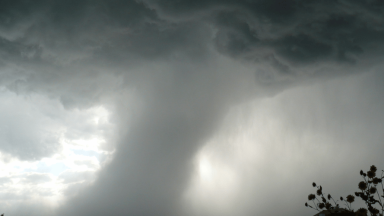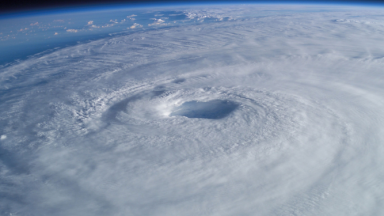
Taking immediate action within 60 minutes of a severe weather alert can significantly enhance safety, requiring a pre-planned strategy to secure belongings, ensure communication, and move to a safe location.
When a severe weather alert flashes across your screen or blares from your radio, the clock starts ticking. The window for effective action is often incredibly narrow, sometimes as short as an hour. Understanding and implementing severe weather preparedness actions within these critical 60 minutes can mean the difference between safety and significant risk. This guide is designed to equip you with the knowledge and actionable steps needed to react swiftly and effectively, ensuring you and your loved ones are as prepared as possible when danger approaches.
understanding the urgency of severe weather alerts
Severe weather alerts are not mere suggestions; they are urgent calls to action, issued by meteorological agencies like the National Weather Service (NWS) when conditions are ripe for dangerous weather phenomena. These alerts provide a crucial, albeit short, window for individuals and communities to prepare. Ignoring them can have dire consequences, from property damage to life-threatening situations. The specificity of these alerts, whether a tornado warning, a flash flood alert, or a severe thunderstorm warning, dictates the nature of the immediate response required.
The science behind these alerts involves sophisticated radar systems, satellite imagery, and ground observations, all processed by highly trained meteorologists. Their goal is to forecast and warn with the highest possible accuracy, giving the public as much lead time as possible. However, the dynamic nature of weather means that this lead time can be very limited, often just minutes before impact. This is precisely why having a pre-established plan is not just recommended, but essential.
the difference between a watch and a warning
- Watch: A watch means that conditions are favorable for severe weather to develop in or near your area. It’s a time for heightened awareness and initial preparations, such as gathering supplies or discussing your plan.
- Warning: A warning means severe weather is imminent or already occurring. This is when immediate action is required to protect life and property.
Understanding this distinction is fundamental to an effective response. A watch gives you more time to get ready, while a warning demands immediate execution of your safety plan. Many people confuse the two, leading to delayed reactions when a warning is issued. Always treat a warning with the utmost seriousness it deserves, as it signifies an immediate threat.
The urgency stems from the rapid development and destructive potential of severe weather. Tornadoes can form and touch down within minutes, flash floods can inundate areas in mere moments, and severe thunderstorms can bring damaging winds and large hail almost instantaneously. Every second counts, making a well-rehearsed, time-sensitive preparedness plan invaluable for minimizing risks and safeguarding lives.
action 1: secure your immediate environment
The first few minutes after receiving a severe weather alert are critical for securing your immediate surroundings. This involves both indoor and outdoor preparations to minimize potential damage and create a safer space. It’s not just about protecting property; it’s about eliminating hazards that could injure you or your family.
Outdoors, focus on anything that could become a projectile in high winds. This includes patio furniture, trash cans, grills, and even children’s toys. Bring them inside or secure them firmly. If you have a car, park it in a garage if possible, or away from trees and power lines. Close and latch all windows and doors, including garage doors, to prevent wind intrusion and pressure changes that could compromise the structural integrity of your home.
indoor safety measures
- Close all windows and doors: This prevents wind from entering and causing internal pressure differences that can lead to structural damage.
- Lower blinds or draw curtains: This can offer some protection from flying debris and shattered glass.
- Unplug electronics: Protect sensitive devices from power surges and lightning strikes.
Inside your home, ensure that all family members know where the designated safe room is. This might be a basement, an interior room on the lowest floor, or a storm shelter. Clear any clutter from the path to this safe room to ensure a quick and unhindered evacuation when the time comes. This initial securing of your environment is the foundational step in your severe weather preparedness plan, setting the stage for subsequent actions.
For those living in mobile homes or manufactured housing, the advice is even more urgent: seek immediate shelter in a sturdy building or a designated community shelter, as these structures offer less protection against severe winds. Time is of the essence in these situations, and pre-identifying a safe location is paramount. This rapid environmental securing helps mitigate immediate risks and prepares your home for the impending weather event.
action 2: gather your emergency kit and essential documents
Once your immediate environment is somewhat secured, the next crucial step is to gather your pre-assembled emergency kit and any vital documents. This should be a grab-and-go kit, ready at a moment’s notice, as you may need to evacuate or shelter in place for an extended period. A well-stocked emergency kit is a cornerstone of effective severe weather preparedness.
Your emergency kit should contain enough supplies to sustain each family member for at least 72 hours. This includes non-perishable food items, at least one gallon of water per person per day, a first-aid kit, a battery-powered or hand-crank radio, flashlights with extra batteries, and a whistle to signal for help. Don’t forget personal hygiene items, a multi-tool, and any necessary prescription medications.
For essential documents, consider keeping copies of identification cards, insurance policies, birth certificates, and any other critical papers in a waterproof, portable container within your emergency kit. Digital copies stored on a cloud service or a USB drive are also highly recommended. These documents will be vital for recovery efforts, insurance claims, and proving identity if you are displaced.
what to include in your emergency kit
- Water and non-perishable food: Enough for at least three days.
- First-aid kit: Bandages, antiseptic wipes, pain relievers, and any personal medications.
- Communication tools: Battery-powered radio, whistle, fully charged power bank for phones.
- Lighting: Flashlights, headlamps, extra batteries.
- Personal items: Hygiene products, blankets, cash, important documents.
Regularly check and update your emergency kit to ensure food hasn’t expired, batteries are fresh, and medications are current. This proactive approach ensures that when an alert is issued, you’re not scrambling to find necessities but simply grabbing your ready-to-go kit. This step significantly reduces stress and increases your capacity to respond effectively to the emergency.
action 3: communicate with family and neighbors
In the immediate aftermath of a severe weather alert, establishing clear communication with family members and, if safe to do so, checking on neighbors, is paramount. This ensures everyone is aware of the situation and knows the plan. Communication is a two-way street; you need to disseminate information and confirm receipt and understanding.
Utilize pre-established family communication plans. This might involve a designated out-of-state contact person whom everyone can check in with, as local phone lines might be overwhelmed or down. Text messages often get through when calls can’t, so consider using them for brief updates. Ensure all family members, especially children, know what to do if they are separated.
effective communication strategies
- Designate an out-of-state contact: This person can act as a central point of contact for family members.
- Text before calling: Text messages use less bandwidth and often work when voice calls fail.
- Establish meeting points: Have primary and secondary meeting points outside your home and neighborhood.
Briefly check on vulnerable neighbors, especially the elderly or those with disabilities, to ensure they have received the alert and have a plan. Offer assistance if you can, but prioritize your own family’s safety. This community spirit is vital during emergencies and can save lives. However, do not put yourself in harm’s way to assist others once the severe weather is upon you.
Confirming everyone’s safety and understanding of the next steps provides immense peace of mind during a stressful event. It also helps in coordinating efforts, whether it’s moving to a safe room or evacuating. Clear and concise communication is a non-negotiable component of robust severe weather preparedness.
action 4: unplug, shut off utilities, and stay informed
As the 60-minute window dwindles, taking steps to protect your home from power surges and potential hazards, and staying continuously informed, becomes critical. Unplugging non-essential electronics and shutting off utilities can prevent further damage and reduce risks during and after the storm.
Unplugging electronics helps protect them from power surges caused by lightning strikes or fluctuations in the power grid. While you might not be able to unplug everything, focus on expensive or essential items. If you anticipate flooding, consider moving valuable electronics to higher ground within your home.
utility shutdown importance
- Electricity: If instructed by authorities or if you anticipate flooding, turn off the main circuit breaker to prevent electrocution hazards.
- Natural Gas: If you smell gas or suspect a leak, turn off the main gas valve. Only do this if you know how and it is safe; otherwise, wait for emergency personnel.
- Water: If advised by authorities, turning off your main water supply can prevent extensive damage from burst pipes in freezing conditions or contamination during floods.
Simultaneously, stay connected to reliable information sources. A battery-powered or hand-crank radio is essential for this, as power outages can render TVs and internet useless. Keep your cell phone charged, but conserve its battery by limiting usage to essential communications. Follow official alerts from the NWS, local emergency management agencies, and trusted news outlets.
This phase of preparedness is about damage control and continuous situational awareness. By taking these preemptive measures, you not only safeguard your property but also enhance your safety by mitigating potential hazards within your home. Staying informed allows you to make timely decisions and adjust your plan as the situation evolves, a key aspect of effective severe weather preparedness.
action 5: move to your designated safe location
With minutes ticking down, the most crucial physical action is to move yourself and your family to your pre-determined safe location. This is not the time for hesitation or second-guessing; it’s the moment to execute the plan you’ve meticulously prepared. Your safe location should offer the best possible protection against the specific threat identified in the alert.
For tornadoes, this usually means an underground storm shelter, a basement, or an interior room on the lowest floor of a sturdy building, away from windows. In homes without a basement, a bathroom or closet in the center of the house can offer some protection. Get under something sturdy, like a heavy table, and cover your head and neck. For flash floods, move to higher ground immediately. Never attempt to drive or walk through floodwaters.
characteristics of a safe location
- Below ground: Basements or storm cellars offer the best protection against high winds and flying debris.
- Interior room: If no basement, choose a small, interior room on the lowest floor, away from windows.
- Sturdy structure: Avoid mobile homes or flimsy structures during tornado warnings.
Ensure that pets are also brought to the safe location. Have their carriers ready and accessible. If you have special needs family members, ensure their specific requirements are met in the safe room, such as medications or comfort items. This move should be swift, calm, and coordinated, reinforcing the importance of prior drills and discussions.
Remember, the goal is to be in your safe location well before the severe weather arrives. Do not wait until you see or hear the storm. The 60-minute window is designed to give you just enough time to complete these critical steps. Once in your safe location, remain there until the threat has passed and authorities have given the all-clear. This direct and timely action is the ultimate demonstration of effective severe weather preparedness.
action 6: protect yourself and wait for the all-clear
Once you are in your designated safe location, the focus shifts to protecting yourself and your family while you wait for the severe weather to pass. This involves specific actions to minimize injury and maintaining a state of readiness for potential impacts. It’s a period of vigilance and patience.
In a tornado warning, crouch low, cover your head and neck with your arms, and use anything available, such as a mattress or heavy blankets, for additional protection. Stay away from windows, even if they are reinforced. The primary danger from tornadoes is flying debris, so creating a barrier between yourself and potential projectiles is key. If you are in a vehicle and cannot seek sturdy shelter, lie down in a ditch or other low-lying area and cover your head.
during the storm: safety protocols
- Stay low and covered: Protect your head and neck from flying debris.
- Remain calm: Panicking can impair judgment and communication.
- Monitor official alerts: Use your battery-powered radio for updates.
For other severe weather events like hurricanes or severe thunderstorms, the actions might differ slightly but the core principle remains: stay sheltered and monitor official communications. Avoid going outside until the all-clear is given by authorities. There might be a temptation to check on damage or see what’s happening, but this can expose you to ongoing dangers like downed power lines, falling debris, or unstable structures.
Waiting for the all-clear is just as important as the initial rapid response. Prematurely leaving your safe location can expose you to residual dangers. Trust the official channels to inform you when it is genuinely safe to emerge. This disciplined waiting period is the final active step in your severe weather preparedness, ensuring safety until the immediate threat has subsided.
action 7: post-storm assessment and initial recovery steps
After the severe weather has passed and the all-clear has been issued, the immediate danger may have subsided, but a new phase of challenges begins: assessment and initial recovery. This seventh action is crucial for safety and setting the stage for long-term recovery, ensuring that the 60 minutes of preparedness lead to a safer aftermath.
Carefully emerge from your safe location. Be aware of your surroundings; look for downed power lines, gas leaks (by smell, hiss, or sight), and structural damage to your home or property. Do not touch downed power lines and report them immediately to emergency services. If you suspect a gas leak, evacuate your home immediately and call your utility company or emergency services from a safe distance.
initial recovery checklist
- Safety first: Check for hazards like downed power lines, gas leaks, and unstable structures.
- Assess damage: Document any damage with photos or videos for insurance purposes.
- Contact family: Re-establish communication with family and friends to confirm safety.
- Check on neighbors: If safe, offer assistance to those in need.
- Stay informed: Continue monitoring official news and alerts for post-storm instructions.
Begin documenting any damage to your property with photos and videos. This will be invaluable for insurance claims. Contact your insurance company as soon as it is safe and practical. Avoid making major repairs until you’ve spoken with your insurer, unless it’s to prevent further damage, and keep receipts for any emergency repairs.
Remember that utilities might be out for an extended period. Continue to use your emergency kit supplies. Check on neighbors, especially the elderly or those with special needs, to ensure they are safe and have access to resources. This post-storm phase, while not part of the initial 60 minutes, is a direct consequence of your severe weather preparedness and requires a thoughtful, cautious approach to ensure continued safety and effective recovery.
| Key Action | Brief Description |
|---|---|
| Secure Environment | Bring in outdoor items, close windows, and secure doors to minimize damage. |
| Gather Emergency Kit | Collect pre-packed supplies and essential documents for 72-hour sustainment. |
| Move to Safe Location | Immediately proceed to your designated basement or interior safe room. |
| Stay Informed & Protected | Monitor official alerts and remain in shelter until the all-clear is given. |
Frequently Asked Questions About Severe Weather Preparedness
A severe weather watch means conditions are favorable for severe weather to develop, requiring heightened awareness. A warning indicates severe weather is imminent or already occurring, demanding immediate action to protect life and property.
You should act immediately, ideally within 60 minutes, to implement your preparedness plan. Severe weather can develop and impact an area very rapidly, making swift action crucial for safety and minimizing risks.
An emergency kit should include water, non-perishable food, a first-aid kit, a battery-powered radio, flashlights, extra batteries, a whistle, and copies of important documents. Tailor it to your family’s specific needs.
Yes, unplugging non-essential electronics is highly recommended. This protects them from power surges caused by lightning strikes or grid fluctuations, which can cause significant damage to sensitive devices.
It is safe to leave your designated safe location only after official authorities, such as local emergency management or the National Weather Service, have issued an all-clear. Prematurely emerging can expose you to ongoing hazards.
conclusion
The imperative for rapid response to severe weather alerts cannot be overstated. The 60-minute window following an alert is a critical period where proactive, decisive actions can significantly impact safety and outcomes. By understanding the distinction between watches and warnings, preparing a comprehensive emergency kit, securing your environment, establishing clear communication, and knowing your safe locations, you empower yourself and your family to navigate these challenging events with greater resilience. Severe weather preparedness is not a one-time task but an ongoing commitment to safety, requiring regular review and practice of your plan. Embracing these seven actions ensures that when time is of the essence, you are not just reacting, but responding effectively, safeguarding lives and mitigating potential damage.