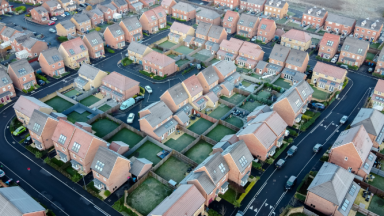
water infrastructure repairs causing neighborhood road closures disrupt local traffic, delay deliveries and school routes, and restrict access; residents should monitor official updates, set alerts, plan alternate routes or parking, coordinate with delivery services, and document access issues for faster resolution.
water infrastructure repairs causing neighborhood road closures can suddenly change your route and plans. Want to know how long it might last and what helps now? This short guide points to practical steps, reliable sources and quick fixes to keep your day moving.
how closures affect commutes, schools and local businesses
water infrastructure repairs causing neighborhood road closures often mean longer trips and surprise detours for drivers and transit riders. Knowing typical effects helps you adjust plans quickly.
Below are clear, practical impacts on commutes, schools and local businesses, plus simple steps you can take right away.
Closures slow travel times. Roads cut off by crews force drivers onto side streets and make signal timing worse. That adds minutes to commutes, and small delays can ripple through a whole morning.
Transit routes may be rerouted or delayed. Buses often take longer paths and may skip stops, so riders should check live updates and allow extra time.
Impact on schools and student travel
School buses and parent drop-offs face hold-ups when main streets are closed. That can change pickup times and make crossing points busier. Schools may send alerts or change schedules to keep students safe.
Effects on local businesses
Shops near the closure may see fewer walk-in customers and delayed deliveries. Small businesses with tight margins can feel the change quickly, especially if customers avoid the area.
- Longer travel times for employees and customers, reducing foot traffic.
- Delivery and supply delays that interrupt inventory and services.
- Parking loss or restricted access that deters quick visits.
- Temporary noise and dust that affect storefront appeal.
Many impacts are short-term but disruptive. Clear signage and timely alerts help reduce confusion, and businesses that communicate openings or alternate entrances keep customers informed.
Residents can plan alternate routes, stagger commute times, or work remotely when possible. Schools should share updated pickup plans, and businesses can shift delivery windows or offer curbside pickup.
water infrastructure repairs causing neighborhood road closures usually end once work finishes, but preparation makes the difference. Track official updates, leave earlier, and check local transit notices to keep disruptions small.
where to find real-time detours, schedules and official updates
water infrastructure repairs causing neighborhood road closures can appear with little warning. Knowing where to check saves time and keeps your schedule steady.
Use these trusted sources to find real-time detours, updated schedules and official notices you can act on.
official city and utility channels
Start with the city public works and utility provider pages. They post planned closures, maps of work zones and estimated timelines.
Look for dedicated outage maps, project pages and subscribe to email or SMS alerts where available.
navigation apps and transit agencies
Navigation apps often show live detours and traffic slowdowns faster than other sources. Transit agencies publish reroutes and stop changes when buses are affected.
- Google Maps: live traffic layer and alternate route suggestions.
- Waze: user reports on closures, delays and quick fixes.
- Transit apps and agency websites: official schedule changes and bus reroutes.
- 511 or regional traffic services: aggregated road status feeds.
Local news websites and radio also update rapidly for major disruptions. They can point to official sources or provide links to live feeds.
Neighborhood social channels often share photos and practical tips when crews arrive. These reports help when you need real-time context on access and parking.
how to verify info and set useful alerts
Not every post is accurate. Cross-check reports with an official source before you change plans.
- Check timestamps and the original source of the update.
- Compare at least two sources, such as the utility site and a navigation app.
- Enable push notifications in apps and sign up for city or school district alerts.
When possible, follow the public works social account and your transit agency. That gives a steady stream of verified updates during ongoing work.
Combine official channels, navigation apps and community reports to stay informed. Simple steps—subscribe, cross-check and set alerts—cut surprises during water infrastructure repairs causing neighborhood road closures.
residents’ rights, access to homes and safety precautions
water infrastructure repairs causing neighborhood road closures can block driveways and change how you enter your home. Knowing your rights and safety steps helps you act fast.
This section covers access rules, who to call, and simple precautions to keep family and property safe.
legal rights and reasonable access
Residents usually retain the right to access their property during repairs. Cities and utilities must allow safe entry for daily needs and emergencies when possible.
Notice rules vary, but officials often must post schedules and contact info. If access is blocked, request a clear timeline and alternative access plan.
how to report blocked access and request help
Document the issue with photos and timestamps. Contact the listed project manager, utility hotline, or city public works to report problems.
- Call the utility or public works number on posted signs or the city website.
- Send photos and a brief description by email or app to create a record.
- Ask about temporary ramps, escorted access, or a short window for deliveries.
- Escalate to your local councilor or neighborhood liaison if you get no response.
Keep copies of all messages and take note of names and times. This helps if repairs cause damage or if you need faster resolution.
Mail, waste pickup and deliveries should be planned ahead. Let carriers know about detours or agree on a safe drop point. If you or someone at home has mobility needs, request priority access or an alternative plan from the contractor.
safety precautions around work zones
Work zones have heavy equipment, open trenches and uneven surfaces. Stay clear of barriers and follow crew instructions to avoid accidents.
- Keep children and pets away from cones, trenches and machinery.
- Use marked detours and sidewalks; do not cross barriers to save time.
- Wear visible clothing if you must walk near the site at dusk or dawn.
- Report unsafe conditions immediately to the project contact or emergency services if needed.
Maintain open communication with crews and neighbors. Simple steps like scheduling essential visits outside active work hours and using agreed access points reduce risk.
Being prepared, polite and persistent helps protect your home and family during water infrastructure repairs causing neighborhood road closures. Keep contacts handy, document issues, and follow safety guidance to minimize disruption and harm.
practical strategies: parking, deliveries, work schedules and communication
water infrastructure repairs causing neighborhood road closures often create parking headaches and missed deliveries. A few practical moves make daily life easier while work is underway.
These tips cover parking, deliveries, work hours and clear communication so you can keep plans on track with less stress.
smart parking choices
Look for legal alternate spots near your home and mark them mentally. Avoid blocking driveways or no-parking zones to prevent tickets.
- Seek side streets or residential lots a short walk away and note safe walking routes.
- Ask neighbors about shared spaces or swap parking times to cover peak hours.
- Check for temporary permits from the city for short-term parking near the work site.
- Use parking apps to find available spaces and save time circling the block.
When walking from a farther spot, plan a clear, well-lit path. Small changes like moving a car the night before can prevent morning surprises.
managing deliveries and services
Deliveries can be rerouted or delayed. Let couriers know about detours and a safe drop-off point ahead of time.
- Give carriers a photo of an alternate entrance or exact drop location.
- Set delivery windows for off-peak hours when crews are less active.
- Use contactless or curbside pickup options when available to avoid access problems.
- Alert regular service providers (trash, food, maintenance) about temporary access changes.
If you expect big deliveries, talk to the contractor to schedule a narrow window when the road is open or when a worker can help guide the driver.
For critical items, use addresses of nearby friends or businesses temporarily and retrieve goods when safe.
adjusting work schedules and routines
Simple schedule shifts reduce stress. Leave earlier, shift hours, or work remotely when possible to avoid peak repair times.
- Coordinate staggered commutes with family members to cut shared vehicle use.
- Ask your employer for flexible start times on days with major closures.
- Use transit alternatives or bike options if roads are heavily constrained.
- Keep an emergency plan for essential trips and appointments during active work.
Small routine tweaks, like packing the night before or switching meeting times, add up and keep you punctual.
Clear communication helps everyone. Share timely updates with visitors, delivery services and neighbors so they know the best access points and times. Post a simple note by your gate or send a short message to expected visitors with directions.
Combine these actions—planned parking, clear delivery instructions, flexible hours and steady communication—to reduce the friction of water infrastructure repairs causing neighborhood road closures. A little planning goes a long way during temporary work.
After small adjustments and clear communication, water infrastructure repairs causing neighborhood road closures are easier to manage. Plan routes, set alerts, and coordinate with neighbors to keep daily life moving with less stress.
FAQ – water infrastructure repairs causing neighborhood road closures
How long do these road closures usually last?
Duration varies: small fixes can take hours, major repairs days or weeks. Check official project timelines and local updates for exact estimates.
What should I do if my driveway is blocked?
Document the blockage with photos, contact the project manager or utility hotline, request temporary access or a safe alternate route, and escalate to your local council if needed.
Where can I find reliable real-time updates and detours?
Use city public works and utility websites, transit agency alerts, navigation apps (Google Maps, Waze) and official social media for the fastest, verified info.
How can local businesses limit disruption during closures?
Communicate hours and alternate entrances, offer curbside pickup or delivery windows, coordinate with suppliers, and post clear access directions for customers.