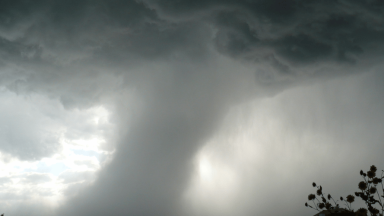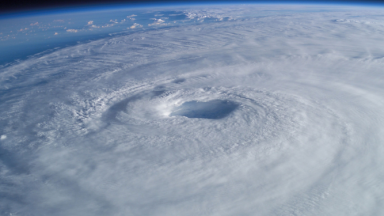
The 2026 weather alert system updates are revolutionizing preparedness for extreme events, integrating AI, enhanced sensor networks, and localized communication to achieve 99% accuracy and timely public response.
As our planet faces increasingly unpredictable and severe weather patterns, the urgency for robust and reliable warning systems has never been greater. The upcoming weather alert system updates for 2026 promise a significant leap forward in our ability to predict, monitor, and respond to extreme events, aiming for an unprecedented 99% preparedness rate. These advancements are not just incremental improvements, but rather transformative shifts in how we understand and react to nature’s most powerful forces.
The Dawn of AI-Driven Predictive Modeling
The year 2026 marks a pivotal moment for weather forecasting, largely due to the widespread integration of artificial intelligence (AI) into predictive modeling. This isn’t just about faster computations; it’s about fundamentally changing how we interpret vast amounts of atmospheric data, allowing for earlier and more precise warnings.
Traditional numerical weather prediction models, while sophisticated, often struggle with the sheer complexity and non-linear dynamics of atmospheric processes. AI, particularly machine learning and deep learning algorithms, excels at identifying subtle patterns and correlations that human analysts or conventional models might miss. This capability is critical for anticipating rapid intensification of phenomena like hurricanes or the sudden formation of severe thunderstorms.
Revolutionizing Data Analysis and Pattern Recognition
AI’s impact on data analysis is profound, moving beyond simple statistical correlation to complex pattern recognition. These systems can process petabytes of data from satellites, radar, ground sensors, and even social media, learning from historical events to forecast future ones with remarkable accuracy.
- Enhanced Satellite Imagery Interpretation: AI algorithms can quickly identify nascent storm formations and track their evolution in real-time, providing critical lead time.
- Improved Radar Data Processing: Distinguishing between different types of precipitation and identifying tornado signatures becomes more accurate and automated.
- Atmospheric River Detection: Better prediction of these moisture-laden corridors, crucial for flood warnings in regions like the U.S. West Coast.
- Microclimate Modeling: AI can analyze localized factors to predict weather impacts at a much finer resolution than ever before.
The ability of AI to learn and adapt from continuous data streams means that predictive models are constantly improving. This iterative learning process ensures that the system becomes more accurate with each passing weather event, creating a feedback loop of enhanced precision. Such dynamic improvement is a cornerstone of the 2026 updates, promising a significant reduction in false alarms and missed events.
In essence, AI-driven predictive modeling transforms weather forecasting from an art based on scientific principles into a highly optimized, data-driven science. This shift is expected to revolutionize how emergency services and the public prepare for and react to severe weather, ultimately saving lives and reducing economic losses.
Advanced Sensor Fusion and Hyper-Local Forecasting
Beyond AI, the 2026 updates heavily emphasize advanced sensor fusion, combining data from an unprecedented array of sources to create hyper-local forecasts. This integration means moving past isolated data points to a holistic view of atmospheric conditions, often down to the neighborhood level.
The challenge with current systems is often a lack of granularity. A regional alert might be issued, but conditions can vary dramatically just a few miles apart. The new sensor networks aim to bridge this gap, providing specific, actionable information for smaller geographic areas, which is vital for precise emergency responses.
Integrating Diverse Data Streams for Unmatched Detail
The concept of sensor fusion involves seamlessly blending data from various platforms, each contributing unique insights. This creates a richer, more comprehensive picture of the atmosphere.
- Next-Generation Radar Systems: Dual-polarization radar now provides more accurate information on precipitation type, size, and quantity, improving flood and hail warnings.
- Expanded Ground Sensor Networks: A denser mesh of automated weather stations, including private and community-run sensors, offers real-time surface conditions.
- Satellite Constellations: Low Earth Orbit (LEO) satellites provide more frequent and detailed atmospheric soundings, enhancing global and regional model initialization.
- Drone and UAV Integration: Drones equipped with atmospheric sensors can collect data in hazardous areas or at lower altitudes, filling gaps in traditional observations.
The sheer volume and diversity of data, when fused together, enable models to resolve atmospheric conditions at resolutions previously unimaginable. This hyper-local approach means that instead of a county-wide flood warning, specific neighborhoods prone to flash flooding can receive targeted alerts, allowing for more efficient evacuations and resource deployment. This level of detail is crucial for ensuring that preparedness is not just broad, but deeply specific and effective.
Furthermore, this advanced sensor fusion isn’t just about collecting more data; it’s about intelligent data integration. AI algorithms play a crucial role here, too, in sifting through disparate data sets, identifying inconsistencies, and weighting different sources based on their reliability and relevance to a specific forecast. This ensures that the hyper-local forecasts are not only detailed but also highly accurate and trustworthy. The goal is to provide individuals and communities with the most precise information possible, empowering them to make informed decisions when severe weather threatens.
Localized and Multi-Platform Communication Protocols
Even the most accurate forecast is useless if it doesn’t reach the right people in time. The 2026 updates place a strong emphasis on localized and multi-platform communication protocols, ensuring that alerts are not only timely but also highly targeted and accessible to everyone, regardless of their technological access or language.
Past incidents have highlighted vulnerabilities in alert dissemination, where warnings either failed to reach affected populations or were not understood due to language barriers or inaccessible formats. The new protocols are designed to overcome these challenges, creating a resilient and inclusive warning system.
Ensuring Universal Access and Understanding of Alerts
The core of these communication updates is diversification and localization. Alerts will no longer rely on a single channel but will be broadcast across a multitude of platforms, with content tailored to specific demographics and geographic areas.
- Geo-Targeted Mobile Alerts: Leveraging cell tower data and GPS, alerts will be sent to devices within precise danger zones, minimizing unnecessary warnings for those outside the immediate threat.
- Emergency Broadcasting System (EBS) Enhancements: Modernized EBS will integrate with digital platforms, ensuring critical information reaches even those without internet access.
- Social Media Integration with Verification: Official alerts will be pushed directly to verified government accounts on major social media platforms, with real-time updates and misinformation countermeasures.
- Multilingual and Accessible Formats: Alerts will be available in multiple languages and formats, including text-to-speech for visually impaired individuals and simplified language for those with cognitive disabilities.
- Community-Based Alert Networks: Support for local initiatives, such as neighborhood alert systems and volunteer networks, to disseminate information to vulnerable populations.
This multi-pronged approach ensures that a failure in one communication channel doesn’t lead to a complete breakdown in alert dissemination. By providing information through various means, the system significantly increases the likelihood that everyone at risk receives and understands the warning. Furthermore, the localization of content means that the advice provided within an alert will be directly relevant to the specific dangers faced by that community, enhancing its actionable utility. This robust communication framework is fundamental to achieving 99% preparedness, transforming raw data into life-saving information for all citizens.
Integrating Public Feedback and Citizen Science
A truly effective weather alert system isn’t just a top-down information flow; it also incorporates valuable input from the ground up. The 2026 updates recognize the critical role of public feedback and citizen science in refining forecasts and improving alert effectiveness. This integration creates a dynamic, responsive system that learns not only from technological data but also from human experience.
For too long, the public has been largely a recipient of weather information. The new paradigm shifts this, empowering citizens to become active participants in the weather monitoring and alert process, providing real-time ground truth that complements automated sensor networks.
Empowering Communities to Contribute to Weather Monitoring
Citizen science initiatives are proving invaluable in numerous scientific fields, and meteorology is no exception. By harnessing the collective power of individuals, weather agencies can gain an unprecedented level of ground-level detail.
- Crowdsourced Precipitation Data: Apps and platforms allow individuals to report rainfall or snowfall amounts, especially useful in areas with sparse sensor coverage.
- Severe Weather Spotter Networks: Enhanced training and reporting tools for volunteer spotters to provide verified real-time observations of tornadoes, hail, and damaging winds.
- Impact Reporting: Citizens can report localized impacts of weather events, such as downed trees, power outages, or localized flooding, helping emergency services prioritize response.
- Public Perception Surveys: Feedback on the clarity and effectiveness of alerts helps refine communication strategies and content.
The integration of public feedback goes beyond just data collection. It also involves analyzing how communities respond to alerts, identifying areas where messages might be unclear or where specific populations face unique challenges in receiving or acting upon warnings. This continuous feedback loop allows weather agencies to adapt their strategies, ensuring that the system is not only technologically advanced but also socially intelligent and user-centric. By engaging communities, the 2026 weather alert system updates foster a shared responsibility for preparedness, strengthening resilience from the individual level upwards.
Cybersecurity and System Resilience
With increasing reliance on digital infrastructure, the cybersecurity of weather alert systems becomes paramount. The 2026 updates include significant investments in bolstering the resilience of these systems against cyber threats, ensuring that critical information remains accessible and untampered with, even in the face of sophisticated attacks.
A compromised weather alert system could lead to disastrous consequences, from false alarms causing panic to the suppression of critical warnings. Protecting this infrastructure is as important as the accuracy of the forecasts themselves, forming a foundational pillar of the 99% preparedness goal.
Protecting Critical Infrastructure from Malicious Actors
The cybersecurity strategy for the updated systems is multi-layered, addressing vulnerabilities at every point from data acquisition to alert dissemination.
- End-to-End Encryption: All data transmissions, from sensor networks to central processing centers and out to public alerts, will utilize robust encryption protocols.
- Distributed System Architecture: Moving away from centralized points of failure, the system will be distributed across multiple secure servers and cloud platforms, ensuring redundancy.
- AI-Powered Threat Detection: Machine learning algorithms will continuously monitor system activity, identifying anomalous patterns indicative of cyber-attacks in real-time.
- Regular Audits and Penetration Testing: Independent security experts will regularly audit the system for vulnerabilities and conduct simulated attacks to test its resilience.
- Secure Authentication Protocols: Strict multi-factor authentication for all personnel accessing critical system components.
The focus on resilience extends beyond cyber threats to include physical disruptions. Backup power systems, redundant communication pathways, and geographically dispersed data centers are all part of the 2026 plan. This comprehensive approach ensures that even in the event of a localized disaster or a sustained cyber-attack, the core functionality of the weather alert system remains intact, capable of delivering vital warnings to the public. Ultimately, a resilient and secure system is the bedrock upon which 99% preparedness is built, fostering public trust and confidence in the face of extreme weather events.
Global Collaboration and Standardized Protocols
Weather knows no borders, and neither should our efforts to understand and warn against it. The 2026 updates underscore the importance of enhanced global collaboration and the adoption of standardized international protocols. This cooperative approach ensures that data sharing is seamless, research is synchronized, and alert systems worldwide can communicate effectively, creating a truly global safety net.
Climate change is a global phenomenon, and its impacts are felt everywhere. Isolated national efforts, while valuable, are insufficient to tackle the scale of the challenge. International cooperation multiplies our capabilities, allowing for shared resources, expertise, and a unified front against extreme weather.
Fostering International Data Exchange and Best Practices
Standardized protocols are key to effective global collaboration, enabling different national systems to ‘speak the same language’ when it comes to weather data and alerts.
- WMO Information System 2.0 (WIS 2.0) Integration: Adopting and expanding the World Meteorological Organization’s framework for seamless global data exchange, making real-time observations and forecasts universally accessible.
- Harmonized Alerting Standards: Working towards common alerting formats and terminology across nations, reducing confusion for international travelers and facilitating cross-border emergency response.
- Joint Research Initiatives: Pooling scientific resources and expertise from different countries to accelerate advancements in climate modeling, severe weather prediction, and impact assessment.
- Capacity Building Programs: Providing training and technological support to developing nations to enhance their own weather monitoring and alert capabilities, strengthening the global network.
This commitment to global cooperation extends to sharing best practices in emergency management and public communication. By learning from each other’s successes and challenges, countries can collectively refine their strategies for preparedness and response. The goal is to build a truly interconnected and mutually supportive global weather enterprise, where insights gained in one region can immediately benefit others. This collaborative spirit is essential for addressing the planetary scale of extreme weather challenges and is a cornerstone of the ambitious 99% preparedness target for 2026 and beyond.
Economic and Social Impacts of Enhanced Preparedness
The investment in these advanced weather alert systems extends far beyond immediate safety; it promises significant economic and social benefits. By achieving 99% preparedness for extreme events, communities can dramatically reduce the financial costs associated with disaster recovery and mitigate the long-term social disruption that follows severe weather.
Currently, the economic toll of weather-related disasters runs into billions of dollars annually in the United States alone, not to mention the immeasurable human suffering. The 2026 updates aim to flip this narrative, moving from reactive recovery to proactive resilience, where prevention and early action minimize damage.
Mitigating Damages and Fostering Community Resilience
The tangible and intangible benefits of superior weather preparedness are numerous, affecting everything from infrastructure to mental health.
- Reduced Infrastructure Damage: Earlier warnings allow for protective measures, such as sandbagging, securing property, and moving valuable assets, significantly lessening repair costs.
- Lower Insurance Claims: Proactive measures and reduced damage translate to fewer and smaller insurance claims, stabilizing markets and reducing premiums in the long run.
- Minimized Business Interruption: Businesses can make informed decisions about closures and protective actions, reducing downtime and economic losses.
- Enhanced Public Safety: The most critical benefit is the reduction in injuries and fatalities, saving lives and preventing long-term health consequences from disaster exposure.
- Improved Mental Health Outcomes: Communities that feel prepared and protected experience less anxiety and trauma following severe weather events, fostering greater psychological resilience.
- More Efficient Emergency Services: Targeted alerts and better forecasts allow emergency responders to pre-position resources and deploy them more effectively, optimizing their life-saving efforts.
The social impacts are equally profound. Communities that are well-prepared are more cohesive and resilient. They can recover faster, rebuild stronger, and maintain a sense of continuity even after experiencing significant events. This proactive approach to weather preparedness fosters a culture of safety and responsibility, where every individual and institution plays a role in safeguarding their community. The 2026 weather alert system updates are not merely technological upgrades; they are an investment in the long-term well-being and prosperity of society, demonstrating a commitment to creating a more resilient future in the face of a changing climate.
| Key Update | Benefit |
|---|---|
| AI-Driven Predictive Modeling | Earlier, more precise warnings for extreme weather events. |
| Advanced Sensor Fusion | Hyper-local forecasts with unprecedented detail for specific areas. |
| Localized Communication | Timely, targeted alerts across multiple platforms and languages. |
| Cybersecurity & Resilience | Ensures uninterrupted, trustworthy alert delivery against threats. |
Frequently Asked Questions About 2026 Weather Alerts
AI will significantly enhance forecasts by analyzing vast datasets from various sources, identifying complex patterns traditional models miss. This leads to earlier and more precise warnings for severe weather, improving lead times for public safety measures.
Hyper-local forecasting means you’ll receive weather alerts specific to your immediate neighborhood, rather than a broad regional warning. This precision allows for more effective personal and community preparedness, minimizing unnecessary actions for those not directly affected.
Alerts will be disseminated through a multi-platform approach, including geo-targeted mobile messages, enhanced emergency broadcasting, and social media integration. Efforts are also being made to provide multilingual and accessible formats for diverse populations.
Yes, citizen science is a key component. Individuals can contribute through crowdsourced data on precipitation, acting as severe weather spotters, and reporting localized impacts. This public involvement helps refine forecasts and improve overall alert effectiveness.
Robust cybersecurity measures include end-to-end encryption, distributed system architectures, AI-powered threat detection, and regular security audits. These protections ensure the integrity and continuous availability of critical weather information against malicious attacks.
Conclusion
The 2026 weather alert system updates represent a monumental shift towards a more prepared and resilient future. By integrating cutting-edge AI, deploying advanced sensor fusion for hyper-local accuracy, and implementing sophisticated multi-platform communication strategies, these advancements promise to elevate our collective ability to face extreme weather events. Coupled with robust cybersecurity and global collaborative efforts, the goal of 99% preparedness is within reach, safeguarding lives, minimizing economic disruption, and fostering stronger, more informed communities across the United States. This proactive approach ensures that as climate patterns evolve, our capacity to predict and respond evolves even faster.