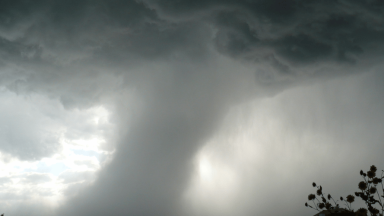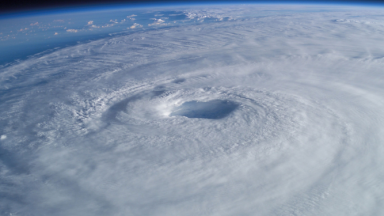
Weather alerts and forecasts for local residents are essential tools that provide timely information and guidance to prepare for severe weather, ensuring safety and minimizing potential damage.
Weather alerts and forecasts for local residents play a crucial role in keeping communities informed and prepared for unexpected conditions. Ever found yourself caught in a storm without warning? Let’s dive into how you can stay ahead of the weather.
Understanding local weather alerts
Understanding local weather alerts is crucial for staying safe during storms and severe weather conditions. These alerts provide important information that can help you prepare and respond effectively.
Various types of weather alerts exist, issued by local meteorological services to inform residents about impending weather events.
Types of Weather Alerts
Alerts can range from simple warnings to more severe notifications. Here are the main types:
- Weather Watch: Means that conditions are favorable for severe weather to occur.
- Weather Warning: Indicates that severe weather is either occurring or will happen soon.
- Advisory: Alerts about potential weather issues that may cause inconvenience or safety concerns.
Recognizing these different alerts is essential. For instance, a weather watch does not imply immediate danger, but a warning means you need to take action.
Pay attention to the specific details in alerts, as they often include information about the type of severe weather, expected duration, and areas affected. This can help you decide whether to stay indoors or prepare your home.
Why Local Weather Alerts Matter
Local weather alerts help you stay informed and safe. With timely updates, you can protect yourself and your family. Moreover, understanding these alerts can improve your preparedness for potentially dangerous situations, ensuring you have the necessary supplies and plans in place.
Be sure to check reliable sources for weather updates regularly. Apps and local news stations can provide real-time information, ensuring you are always aware of the latest alerts.

How to interpret weather forecasts
How to interpret weather forecasts can be a vital skill for every resident. Understanding the details in a forecast allows you to plan your day and stay safe during severe weather.
Weather forecasts provide valuable insights about upcoming conditions, but they can be confusing at times. Knowing how to read them is crucial.
Key Elements of Weather Forecasts
When examining a weather forecast, consider these critical components:
- Temperature: This indicates high and low temperatures for the day. It helps you dress appropriately.
- Precipitation: Look for chances of rain or snow, often given in percentages. This shows how likely it is to rain.
- Wind Speed: Understanding wind patterns can inform you about potential dangers.
These elements are often displayed using icons and numbers, creating a visual guide that is easy to understand. For instance, if a forecast shows a high of 75°F with a 20% chance of rain, you can expect a mild day with a low risk of rain.
Understanding Forecast Types
Forecasts can vary in detail and time frame. There are short-term and long-term forecasts. Short-term forecasts provide more immediate and specific details, while long-term forecasts offer broader predictions. Always pay attention to updates, as weather conditions can change rapidly.
Also, pay attention to any advisories or warnings included in forecasts. These alerts can provide crucial information about dangerous weather, ensuring you take necessary precautions.
Preparing your home for severe weather
Preparing your home for severe weather is essential for ensuring safety and minimizing damage. With the right measures, you can protect your family and possessions when a storm strikes.
Start by assessing your home for potential vulnerabilities. Knowing where you might face issues can help you make critical updates.
Key Preparations
There are several effective steps you can take to prepare:
- Secure windows and doors: Use storm shutters or boards to protect glass from flying debris. This prevents breakage and keeps your home safe.
- Clear gutters: Maintaining clear gutters ensures proper water drainage, reducing the chance of flooding in your home.
- Store emergency supplies: Keep an emergency kit that has essentials like water, food, and flashlights. This kit is vital during power outages or emergencies.
Additionally, consider landscaping adjustments. Trim overhanging branches and remove any loose debris around your yard that could become dangerous projectiles during a storm.
Creating an Emergency Plan
In addition to physical preparations, having an emergency plan is critical. Share this plan with your family and practice it regularly. Discuss where to meet if you get separated and what to do in different scenarios, such as floods or power outages.
Also, stay informed about local weather forecasts and heed all warnings from local authorities. Being aware of changes can help you respond quickly and efficiently.
Staying safe during weather emergencies
Staying safe during weather emergencies is essential for protecting yourself and your loved ones. Knowing what to do can make a significant difference when severe weather strikes.
Always stay informed about the weather conditions in your area. This includes having a reliable weather app or a NOAA weather radio to receive timely alerts.
Emergency Preparedness Tips
Here are some key safety tips to keep in mind during weather emergencies:
- Find a safe location: Identify the safest place in your home, like a basement or interior room, where you can take shelter.
- Have an emergency kit: Stock it with water, non-perishable food, a flashlight, batteries, and first aid supplies. This ensures you have what you need during an emergency.
- Stay tuned to alerts: Listen for emergency alerts or instructions from local authorities. Follow their guidance closely.
It’s also important to plan how to contact family members during an emergency. Establish a communication strategy in case you get separated or lose power.
During Severe Weather
When severe weather hits, stay indoors and away from windows. Avoid using electrical appliances. If you are in a flood-prone area, move to higher ground immediately. Being prepared is key in mitigating risks associated with severe weather.
Keep your mobile devices charged and have backup batteries, as power outages can occur. Awareness and quick action can help ensure your safety during challenging conditions.
FAQ – Frequently Asked Questions about Weather Alerts and Emergency Preparedness
What are weather alerts used for?
Weather alerts inform residents about severe weather conditions, helping them prepare and stay safe.
How can I stay updated on local weather forecasts?
You can use weather apps, local news, or NOAA weather radios to receive timely updates and alerts.
What should I include in my emergency kit?
An emergency kit should include food, water, a flashlight, batteries, and a first aid kit.
What is the best way to prepare my home for severe weather?
Secure windows and doors, clear gutters, and maintain your yard to minimize potential damage during storms.